China Festivals: 22 celebrations worth a trip
Only one trip? Go in September for Mid-Autumn. Prefer a party? April's Water Splashing. Want spectacle? Harbin's ice.

Which Chinese festival should you visit first?
Best all-round
Mid-Autumn, September
The best scenery-to-crowd ratio of any festival. A full moon, mooncakes, and lanterns, without the New Year crush or the October Golden Week.
Most spectacular
Harbin Ice Festival
A city built from ice and light, January into February.
Most fun
Water Splashing
The Dai New Year in Yunnan. Everyone gets soaked, April.
Festival Finder
Pick the traveller you are, or the month you are free, and get festivals matched to you with dates and where to go.
Or pick a month
Luoyang Peony Festival
Apr - early MayA thousand-year-old flower show in an ancient capital.
Luoyang · 洛阳牡丹节
Qingming Festival
Apr 5Tomb-sweeping and spring outings in one day.
Hangzhou · 清明节
San Yue San
Apr 9Guangxi's Zhuang song festival, the original courtship app.
Nanning · 三月三
Water Splashing Festival
Apr 13-15The Dai New Year, celebrated by soaking everyone in sight.
Xishuangbanna · 泼水节
Hungry Ghost Festival
Aug 16A month when the spirit world is said to walk among us.
Hong Kong · 中元节
Qixi Festival
Aug 8China's Valentine's Day, told through star-crossed lovers.
Suzhou · 七夕节
Shoton Festival
mid-Aug (variable)A giant thangka unrolled at dawn over Lhasa.
Lhasa · 雪顿节
Torch Festival
Jul 27 (approx)A mountain of fire under the stars of Yunnan and Sichuan.
Liangshan (Sichuan) · 火把节
China festival calendar 2027
Lunar festivals shift year to year. These are the 2027 Gregorian dates, with the lunar date shown where it applies.
January
Weather: Cold north, mild south
Crowds: High for New Year
Verdict: Best for Harbin's ice
February
Weather: Cold to cool
Crowds: Peak (Spring Festival)
Verdict: Spectacular but busy
March
Weather: Mild, warming
Crowds: Moderate
Verdict: Lanterns and first blossoms
April
Weather: Warm, spring
Crowds: High around holidays
Verdict: Water Splashing + Qingming
May
Weather: Warm
Crowds: High (Labor Day)
Verdict: Pleasant but busy
June
Weather: Hot, humid
Crowds: Moderate
Verdict: Dragon Boat races
July
Weather: Hot
Crowds: Moderate
Verdict: Naadam on the steppe
August
Weather: Hot
Crowds: High in festival towns
Verdict: Torch + Shoton
September
Weather: Clear, pleasant
Crowds: Moderate
Verdict: Mid-Autumn, best all-round
October
Weather: Crisp autumn
Crowds: Peak (Golden Week)
Verdict: Double Ninth; avoid Oct 1-7
Already planning 2028?
Early estimates, confirmed each JanuaryLunar-to-Gregorian conversions follow the astronomical calculations published by timeanddate.com, cross-checked against the State Council's official holiday arrangement each January.
All 22 festivals at a glance
The full 2027 calendar in one table, sorted by month. Tap any festival to jump straight to its guide.
| Festival | 2027 dates | Lunar date | Where to go | Crowds |
|---|---|---|---|---|
| Harbin Ice & Snow Festival 哈尔滨冰雪节 | Jan 5 - late Feb | — | Harbin | Very crowded |
| Laba Festival 腊八节 | Jan 15 | 8th day of the 12th lunar month | Beijing | Moderate crowds |
| Chinese New Year's Eve 除夕 | Feb 5 | Last day of the 12th lunar month | Beijing, Shanghai | Very crowded |
| Spring Festival 春节 | Feb 6 | 1st day of the 1st lunar month | Beijing, Xi'an, Chengdu | Very crowded |
| Tibetan New Year 藏历新年 | Feb (variable) | 1st day of the 1st Tibetan month | Lhasa | Moderate crowds |
| Cherry Blossom Season 赏樱季 | mid-Mar - early Apr | — | Wuhan, Wuxi | Very crowded |
| Lantern Festival 元宵节 | Feb 20 | 15th day of the 1st lunar month | Shanghai, Xi'an | Moderate crowds |
| Luoyang Peony Festival 洛阳牡丹节 | Apr - early May | — | Luoyang | Moderate crowds |
| Qingming Festival 清明节 | Apr 5 | Solar term, early April | Hangzhou, Suzhou | Moderate crowds |
| San Yue San 三月三 | Apr 9 | 3rd day of the 3rd lunar month | Nanning, Guilin | Moderate crowds |
| Water Splashing Festival 泼水节 | Apr 13-15 | Dai New Year, mid-April | Xishuangbanna, Mangshi (Dehong) | Very crowded |
| Labor Day 劳动节 | May 1 | — | Qingdao | Very crowded |
| Sisters' Meal Festival 姊妹节 | Apr 21 (approx) | 15th day of the 3rd lunar month | Kaili (Guizhou), Taijiang | Moderate crowds |
| Dragon Boat Festival 端午节 | Jun 9 | 5th day of the 5th lunar month | Guangzhou, Yueyang | Moderate crowds |
| Naadam Festival 那达慕 | mid-Jul (variable) | Mid-summer on the grasslands | Hohhot, Hulunbuir | Moderate crowds |
| Hungry Ghost Festival 中元节 | Aug 16 | 15th day of the 7th lunar month | Hong Kong, Guangzhou | Low crowds |
| Qixi Festival 七夕节 | Aug 8 | 7th day of the 7th lunar month | Suzhou, Shanghai | Low crowds |
| Shoton Festival 雪顿节 | mid-Aug (variable) | Late 6th to early 7th Tibetan month | Lhasa | Very crowded |
| Torch Festival 火把节 | Jul 27 (approx) | 24th day of the 6th lunar month | Liangshan (Sichuan), Dali (Yunnan) | Very crowded |
| Mid-Autumn Festival 中秋节 | Sep 15 | 15th day of the 8th lunar month | Beijing, Guilin | Moderate crowds |
| Double Ninth Festival 重阳节 | Oct 8 | 9th day of the 9th lunar month | Hangzhou, Beijing | Low crowds |
| National Day 国庆节 | Oct 1 | — | Beijing | Very crowded |
2027 Gregorian dates are reference values for lunar festivals; the lunar date is the anchor that never shifts. Public holiday lengths follow the State Council's official holiday arrangement.
Four ways to read China's festivals
All 22 Chinese festivals, explained
Tap any festival for its history, food, where to go, and the one thing to watch out for.
Lunar Festivals
农历传统节日 Spring Festival
春节 Feb 6 1st day of the 1st lunar month Very crowded
Spring Festival
春节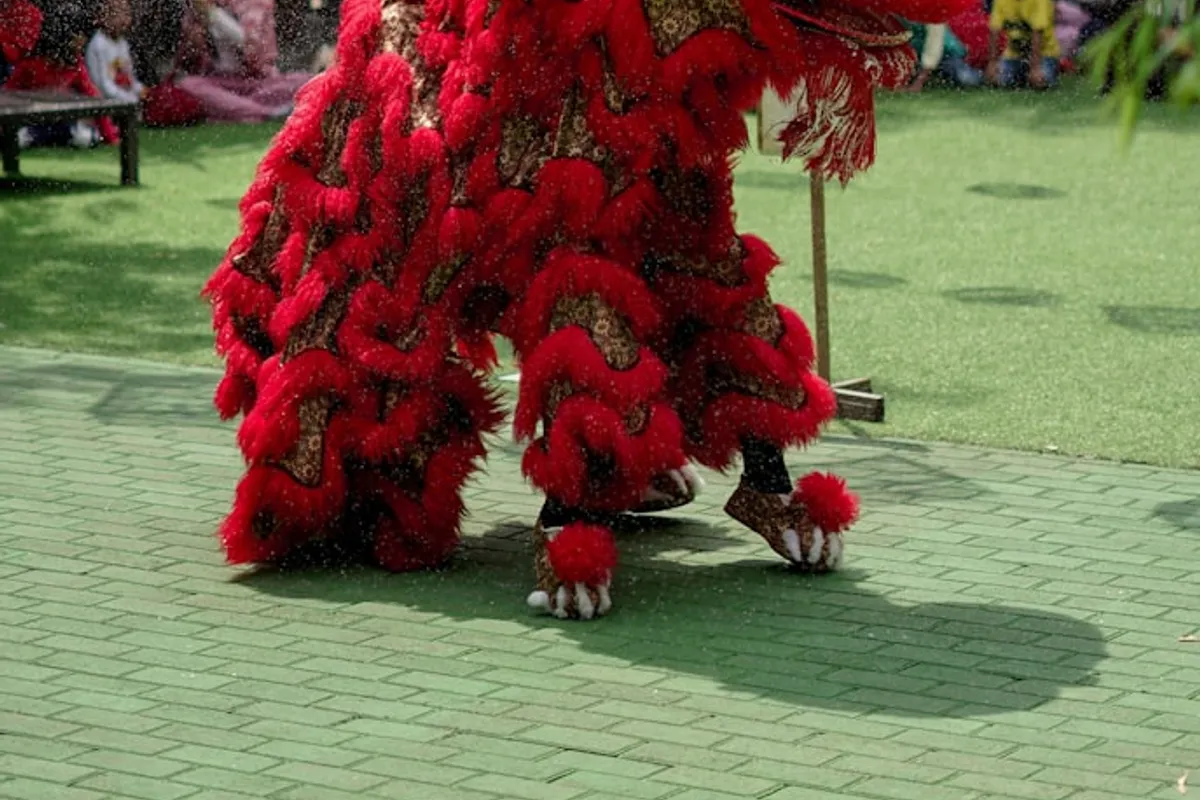
The biggest human migration on earth, wrapped in red.
Spring Festival, or Chinese New Year, is the most important date on the Chinese calendar. It triggers the largest annual human migration on earth as hundreds of millions travel home, and it transforms every city into a red-lit celebration of food, fireworks, and family.
The story behind it
The festival has roots in the ancient year-end sacrifice to ancestors and gods, a tradition more than 4,000 years old. What began as a harvest prayer became the New Year as the lunar calendar took shape.
The best-known origin story is the Nian beast, a creature that emerged at year's end to destroy crops and livestock. Villagers found it feared the color red, bright light, and loud noise, which is why firecrackers, red couplets, and lanterns still define the holiday today.
Today Spring Festival is less a single day than a two-week season that opens with Laba and closes with the Lantern Festival. The core event is the New Year's Eve reunion dinner, the one meal of the year no one wants to miss.
What you eat
Dumplings (jiaozi)
Shaped like gold ingots and eaten at midnight in the north, symbolising wealth for the year ahead.
Nian gao
A glutinous rice cake whose name means year high, a wish for rising fortunes.
Whole fish
Served with head and tail intact, a play on the phrase surplus every year.
Tangyuan
Sweet rice balls more common in the south, standing for family togetherness.
What you see and do
Temple fairs
Folk performances, handicrafts, and street snacks at Ditan and Longtan in Beijing.
Dragon and lion dances
Performed through streets and markets to drive away bad luck and welcome prosperity.
Fireworks
Legal in some cities and banned in others, but where allowed they light up the sky at midnight.
The Spring Festival Gala
A televised variety show watched by hundreds of millions on New Year's Eve.
Where to go
Signature venues
Ditan Temple Fair
地坛庙会 · Beijing
Longtan Park Temple Fair
龙潭庙会 · Beijing
Xi'an City Wall Lantern Festival
西安城墙灯会 · Xi'an
Holiday schedule
9 days (Feb 15–23, 2026)
Resume work Feb 24; make-up work on Feb 14 & Feb 28
Official 2026 arrangement, shown as reference — the 2027 schedule is announced late in the year before.
Spring Festival in Beijing, then Xi'an 5 days
- 1 Arrive, wander Qianmen for new-year shopping and red decorations
- 2 Ditan temple fair for folk shows and street snacks
- 3 Forbidden City by day, check holiday hours first
- 4 High-speed rail to Xi'an for the city-wall lanterns
- 5 Fly home from Xi'an
Watch out for
Trains and flights sell out weeks ahead. Book as soon as tickets open.
Many family restaurants close from New Year's Eve to day three. Book dinners in advance.
Hotel prices often double or triple over the holiday. Book two to three months out.
Red envelopes, hongbao, are given to children and unmarried adults as a blessing.
Quick answers
When is Chinese New Year in 2027?
February 6, 2027, with the public holiday running roughly February 5 to 13.
How long does Spring Festival last?
Officially 15 days, from New Year's Eve to the Lantern Festival, though the public holiday is about 8 days.
Should tourists visit during Spring Festival?
Yes for the spectacle and atmosphere, no if you want calm and low prices. It is the busiest and most expensive time of year.
Are restaurants open during Spring Festival?
Many small, family-run restaurants close for the first few days. Hotel restaurants and larger chains usually stay open.
Lantern Festival
元宵节 Feb 20 15th day of the 1st lunar month Moderate crowds
Lantern Festival
元宵节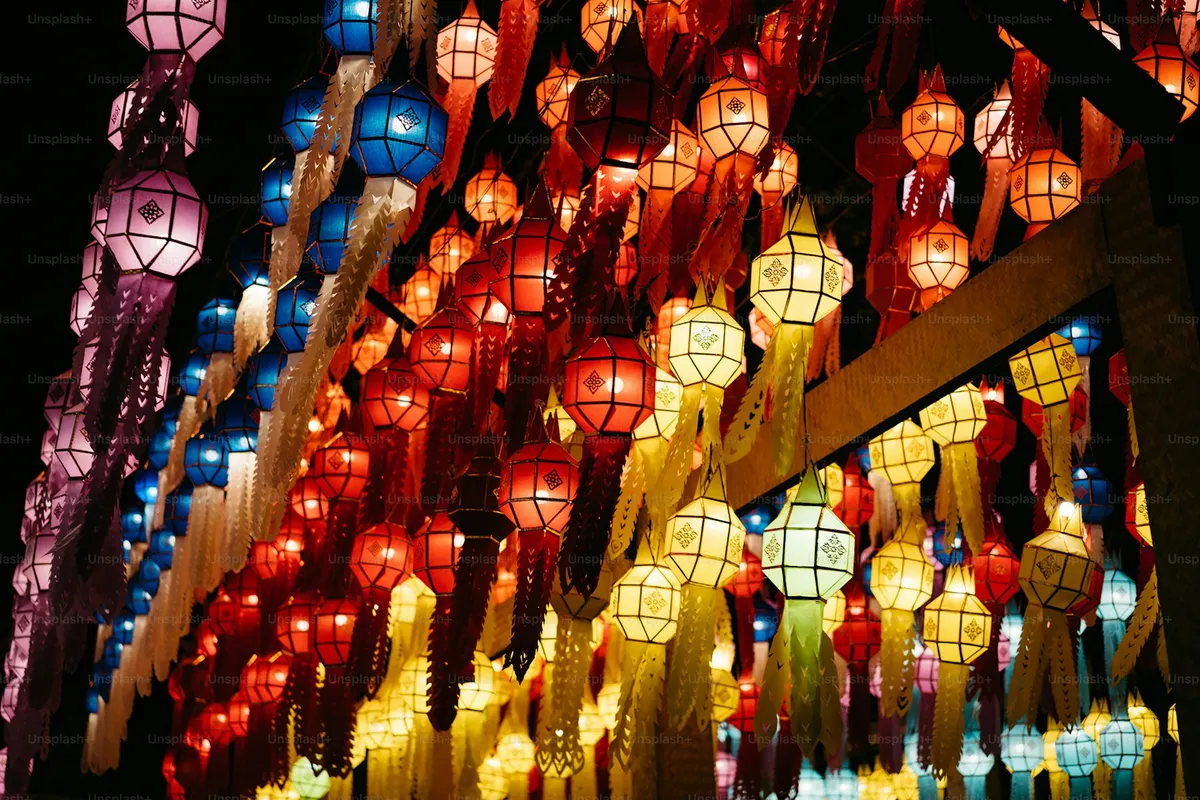
The glowing finale to fifteen days of New Year.
The Lantern Festival falls on the 15th day of the first lunar month, the first full moon of the new year. It closes out two weeks of Spring Festival celebrations with handcrafted lanterns, riddle games, and tangyuan, the sweet rice balls that symbolise family togetherness.
The story behind it
The festival traces back to the Han dynasty. Emperor Ming (around 67 CE) promoted Buddhism and ordered lanterns lit in the palace on the fifteenth day of the first month to honour the Buddha, a practice that spread from the court to the common people.
It is also called the Shangyuan Festival. The first lunar month is the yuan month, and night is xiao, so the first full-moon night of the year became Yuanxiao.
Today the festival is the grand finale of Chinese New Year. Lantern displays, riddle guessing, and eating tangyuan are the three pillars, and many cities stage large-scale light shows that rival the New Year itself.
What you eat
Tangyuan (yuanxiao)
Glutinous rice balls with fillings like black sesame, peanut, or red bean. In the north they are rolled, in the south wrapped, but both stand for reunion.
Sweet and savoury fillings
Sweet sesame and peanut dominate, while savoury pork versions are common in the south.
What you see and do
Lantern displays
The Zigong Lantern Festival in Sichuan is the world's most famous, with Shanghai's Yuyuan and Xi'an's city wall close behind.
Riddle guessing
Riddles written on lanterns, a playful tradition where correct answers win small prizes.
Dragon and lion dances
Street performances that carry the New Year's energy into the first full moon.
Sky lanterns
Released in some southern towns, carrying wishes into the night sky.
Where to go
Signature venues
Yuyuan Garden
豫园 · Shanghai
Xi'an City Wall
西安城墙 · Xi'an
Zigong Lantern Show
自贡灯会 · Zigong
Lantern Festival in Shanghai 2 days
- 1 Arrive, evening at Yuyuan Garden for the lantern fair
- 2 Daytime riddle games and tangyuan, fly out in the evening
Watch out for
Yuyuan Garden gets shoulder-to-shoulder after dark. Go at opening or on a weekday.
The Zigong lantern festival needs a dedicated trip, reachable by high-speed rail from Chengdu in about an hour.
By Lantern Festival most shops have reopened after the New Year closure.
Tangyuan are dense and filling, order a small bowl first.
Quick answers
When is the Lantern Festival in 2027?
February 20, 2027, the 15th day of the first lunar month.
What do you eat at the Lantern Festival?
Tangyuan, glutinous rice balls with sweet or savoury fillings that symbolise family reunion.
Where are the best lantern displays in China?
Zigong in Sichuan has the world's most famous display, followed by Shanghai's Yuyuan and Xi'an's city wall.
Is the Lantern Festival part of Chinese New Year?
Yes, it is the final day of the 15-day Spring Festival period and marks its official end.
Qingming Festival
清明节 Apr 5 Solar term, early April Moderate crowds
Qingming Festival
清明节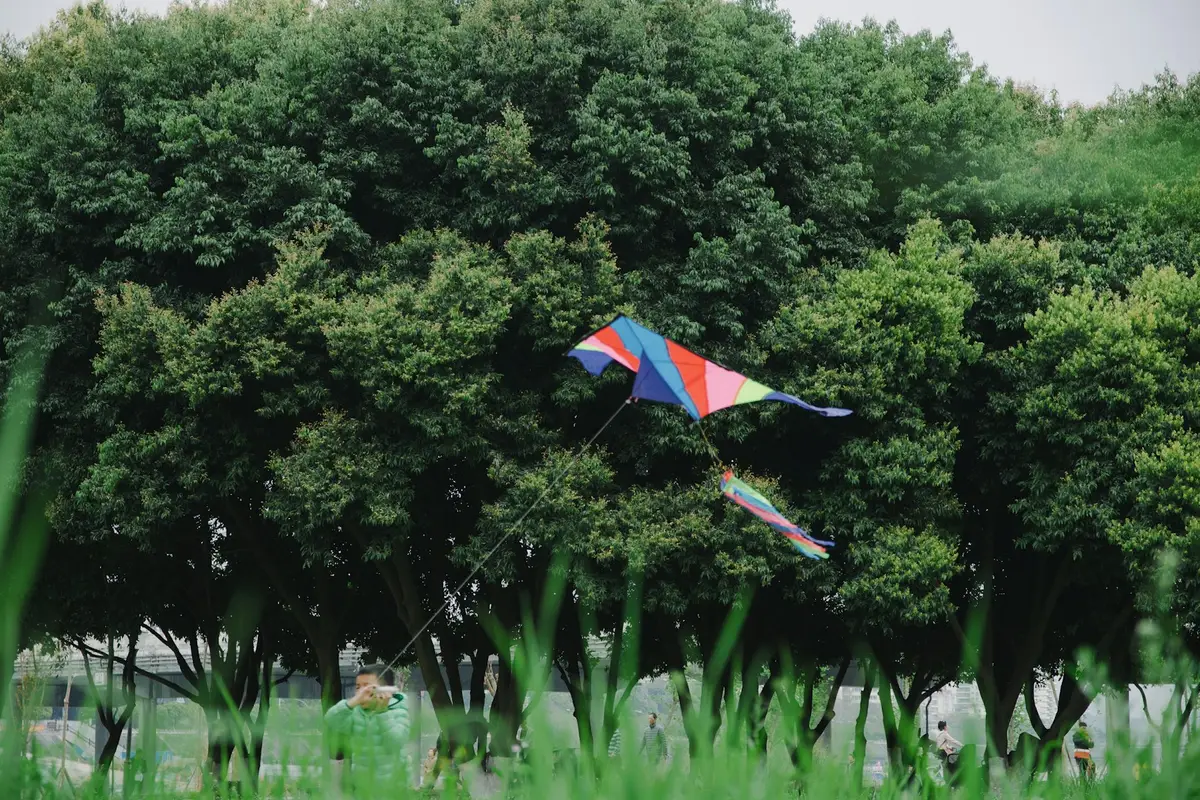
Tomb-sweeping and spring outings in one day.
Qingming, or Tomb-Sweeping Day, falls in early April, when families honour their ancestors at gravesites and then head out to enjoy the first real warmth of spring. It is a day of quiet remembrance and bright spring outings rolled into one.
The story behind it
Qingming is closely tied to the Cold Food Festival, which honours Jie Zitui, a loyal follower of the exiled prince Chong'er (later Duke Wen of Jin). Jie is said to have cut flesh from his own leg to feed the starving prince.
When Chong'er returned to power and tried to reward Jie, he refused and retreated to Mount Mian. The duke set the mountain alight to force him out, but Jie died holding a willow tree. In remorse, the duke ordered that no fire be lit on the anniversary of his death, giving rise to the cold-food custom.
Over centuries the Cold Food and Qingming observances merged, and the day became one of sweeping tombs, remembering ancestors, and welcoming spring.
What you eat
Qingtuan
Green rice balls coloured with mugwort or barley grass and filled with sweet red bean paste, sold at every bakery in early April.
Cold dishes
A nod to the Cold Food Festival, with cold noodles and pickles appearing on spring tables.
What you see and do
Tomb sweeping
Families clean graves, offer food and flowers, and burn incense in remembrance.
Spring outings
After the gravesites, families picnic, fly kites, and enjoy the first warm days.
Kite flying
A tradition carried into the evening, sometimes with lanterns tied to the kite strings.
Willow branches
Branches are hung at doors, a custom tied to the Jie Zitui legend.
Where to go
Signature venues
West Lake
西湖 · Hangzhou
Humble Administrator's Garden
拙政园 · Suzhou
Holiday schedule
3 days (Apr 4–6, 2026)
Resume work Apr 7
Official 2026 arrangement, shown as reference — the 2027 schedule is announced late in the year before.
Qingming in Hangzhou 2 days
- 1 Arrive, try qingtuan at a lakeside bakery
- 2 Morning around West Lake for blossoms and kites, fly out
Watch out for
Cemeteries are crowded and emotional on the day itself. As a visitor, enjoy the parks and spring food instead.
Qingtuan are seasonal, only widely sold in the weeks around early April.
April weather is changeable, bring a light layer and an umbrella.
Quick answers
When is Qingming in 2027?
April 5, 2027, with the public holiday around April 4 to 6.
What is Qingming Festival?
Tomb-Sweeping Day, when families honour ancestors by cleaning graves, then welcome spring with outings and kite flying.
What do you eat at Qingming?
Qingtuan, green rice balls filled with sweet red bean paste, the signature spring treat.
Should tourists visit during Qingming?
Yes for the spring scenery and seasonal food, though avoid the cemeteries themselves, which are for families.
Dragon Boat Festival
端午节 Jun 9 5th day of the 5th lunar month Moderate crowds
Dragon Boat Festival
端午节
Dragon boats, zongzi, and a poet's story.
The Dragon Boat Festival, or Duanwu, falls on the fifth day of the fifth lunar month. It is a day of dragon boat races, zongzi, and the story of Qu Yuan, the poet whose death the festival commemorates.
The story behind it
The best-known origin story centres on Qu Yuan, a poet and minister of the ancient state of Chu. In 278 BCE, in despair over his state's fall, he drowned himself in the Miluo River.
Locals raced out in boats to save him and threw rice into the river to keep fish away from his body. These acts became the dragon boat races and the zongzi we know today.
Other regions honour different figures, including the general Wu Zixu and the filial daughter Cao E. The festival also carries an older meaning of driving away disease as summer heat and humidity arrive.
What you eat
Zongzi
Sticky rice parcels wrapped in bamboo or reed leaves. Northern versions are sweet with dates or bean paste, while southern ones are savoury with pork or salted egg yolk.
Salted duck eggs
A seasonal treat often eaten with zongzi during the festival.
Realgar wine
A traditional drink once believed to ward off insects and evil, now mostly used symbolically.
What you see and do
Dragon boat races
Long, painted boats with drummers race on rivers and lakes nationwide, from Guangzhou's Pearl River to Yueyang's Miluo River.
Hanging wormwood
Bundles of mugwort and calamus are hung at doorways to repel insects and bad luck.
Scented sachets
Children wear small pouches of herbs, tied with five-colour thread for protection.
Where to go
Signature venues
Pearl River waterfront
珠江 · Guangzhou
Miluo River
汨罗江 · Yueyang
Holiday schedule
3 days (Jun 19–21, 2026)
Resume work Jun 22
Official 2026 arrangement, shown as reference — the 2027 schedule is announced late in the year before.
Dragon Boat in Guangzhou 2 days
- 1 Arrive, try zongzi at a local dim sum spot
- 2 Morning dragon boat races on the Pearl River, fly out
Watch out for
Riverbanks pack early for the best view, and races run through midday heat, so bring sun protection and water.
Zongzi are heavy and glutinous, eat them in moderation.
The festival falls in the rainy season across southern China, carry an umbrella.
Book riverside hotels early if you want a view of the races from your room.
Quick answers
When is the Dragon Boat Festival in 2027?
June 9, 2027, the fifth day of the fifth lunar month.
Why do people eat zongzi?
The tradition recalls villagers throwing rice into the river to keep fish away from the poet Qu Yuan's body.
Where can I watch dragon boat races?
Guangzhou's Pearl River, Yueyang's Miluo River, and Hangzhou's West Lake are among the best-known venues.
Is the Dragon Boat Festival a public holiday?
Yes, it is one of China's major festivals, with a three-day public holiday.
Qixi Festival
七夕节 Aug 8 7th day of the 7th lunar month Low crowds
Qixi Festival
七夕节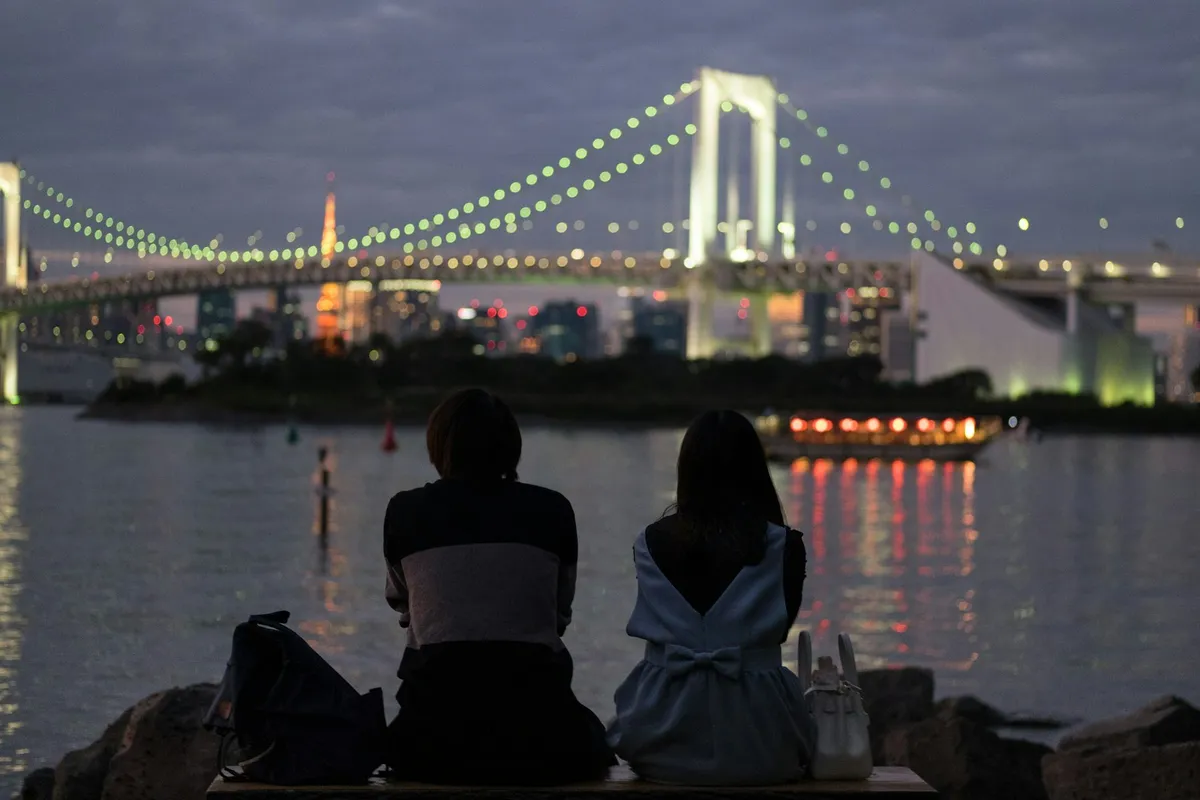
China's Valentine's Day, told through star-crossed lovers.
Qixi, the Double Seventh, is China's Valentine's Day, falling on the seventh day of the seventh lunar month. It tells the story of two star-crossed lovers who meet once a year, and today it is a quiet, gift-giving day for couples.
The story behind it
The legend centres on the cowherd Niulang and the weaver girl Zhinü, a heavenly maiden. They fell in love and married, but Zhinü's mother, the Queen Mother of the West, separated them by drawing the Milky Way between them.
Moved by their sorrow, the magpies of the world form a bridge once a year, on the seventh day of the seventh month, so the lovers can meet. The star Altair is said to be the cowherd, and Vega the weaver girl.
Historically the festival was a night for women to pray for skillful hands in weaving, a tradition called qiqiao. Over time it has become China's answer to Valentine's Day, focused on romance and gifts.
What you eat
Qiaoguo
Crisp, twisted fried dough strips, the traditional festival snack named for the request for clever hands.
Seasonal fruit
Melons and fruit were once offered as part of the qiqiao rituals.
What you see and do
Romantic dinners
Couples book riverside or skyline restaurants, the modern heart of the festival.
Temples to the matchmaker
Some temples honour Yue Lao, the deity who ties destined couples together with red thread.
Gift giving
Flowers, jewellery, and chocolates now rival the traditional handmade crafts.
Where to go
Signature venues
Pingjiang Road
平江路 · Suzhou
The Bund
外滩 · Shanghai
Qixi in Suzhou 2 days
- 1 Arrive, stroll the canals and old town
- 2 Riverside dinner at dusk, fly out the next morning
Watch out for
Qixi is a couples' day, not a street festival, so do not expect parades.
Book restaurants early, and expect florists and jewellers to raise prices.
It is a working day in most of China, so transport is normal rather than holiday-busy.
Quick answers
When is Qixi in 2027?
August 8, 2027, the seventh day of the seventh lunar month.
What is the Qixi Festival?
China's Valentine's Day, based on the legend of the cowherd and the weaver girl who meet once a year across the Milky Way.
How do people celebrate Qixi?
Mostly with romantic dinners, gifts, and flowers, rather than public street events.
Is Qixi the same as Western Valentine's Day?
It serves the same romantic role but has its own legend and traditions rooted in the lunar calendar.
Hungry Ghost Festival
中元节 Aug 16 15th day of the 7th lunar month Low crowds
Hungry Ghost Festival
中元节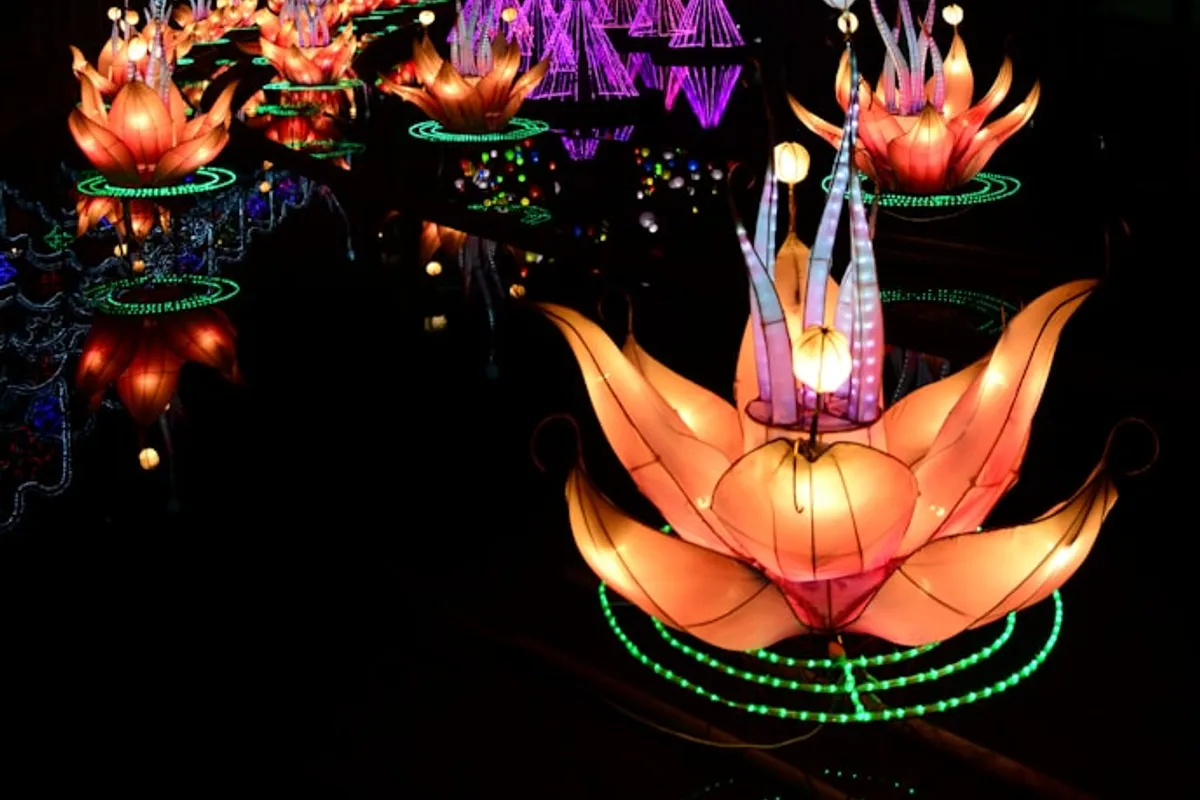
A month when the spirit world is said to walk among us.
The Hungry Ghost Festival, or Zhongyuan, falls on the fifteenth day of the seventh lunar month. According to tradition, the gates of the underworld open and the spirits of the dead return to the living world for a month, and the living make offerings to appease them.
The story behind it
The festival blends Taoist and Buddhist traditions. In Taoism it is the Zhongyuan festival, a day when the underworld's gates open; in Buddhism it is the Ullambana festival, tied to the story of Mulian.
Mulian, a disciple of the Buddha, discovered his mother suffering in the realm of hungry ghosts. The Buddha taught him to make offerings on the fifteenth day of the seventh month, and her suffering was relieved.
The custom of floating lanterns on rivers, burning paper offerings, and staging opera for the spirits grew from these beliefs, and remains strongest in southern China and Hong Kong.
What you eat
Duck
The festival's signature dish, as the word for duck sounds like suppress, symbolising keeping bad spirits at bay.
Fa gao
Steamed prosperity cakes, made puffy and split on top to symbolise good fortune.
Fruit offerings
Placed on altars and streetside shrines for wandering spirits.
What you see and do
Floating lanterns
Paper lanterns set on rivers to guide lost spirits home.
Paper offerings
Joss paper and paper money burned at dusk for ancestors and wandering souls.
Opera performances
Traditional opera staged for both the spirits and the living audience.
Where to go
Signature venues
Victoria Harbour waterfront
维港海滨 · Hong Kong
Pearl River
珠江 · Guangzhou
Hungry Ghost Festival in Hong Kong 2 days
- 1 Arrive, watch street-side offerings at dusk
- 2 Attend an opera performance staged for the spirits
Watch out for
Observe respectfully. Avoid photographing people making offerings without asking.
Do not touch offerings or pick up objects left at shrines.
Folk custom advises against swimming or staying out very late during the ghost month, take it as local colour rather than a rule.
Quick answers
When is the Hungry Ghost Festival in 2027?
August 16, 2027, the fifteenth day of the seventh lunar month.
What is the Hungry Ghost Festival?
A Taoist and Buddhist observance when the gates of the underworld are believed to open and offerings are made to wandering spirits.
Where is it best observed?
Hong Kong has the largest public observance, with Guangzhou's river lantern ceremonies close behind.
Is it safe for tourists?
Yes, it is a respectful family observance, just be considerate of people making offerings.
Mid-Autumn Festival
中秋节 Sep 15 15th day of the 8th lunar month Moderate crowds
Mid-Autumn Festival
中秋节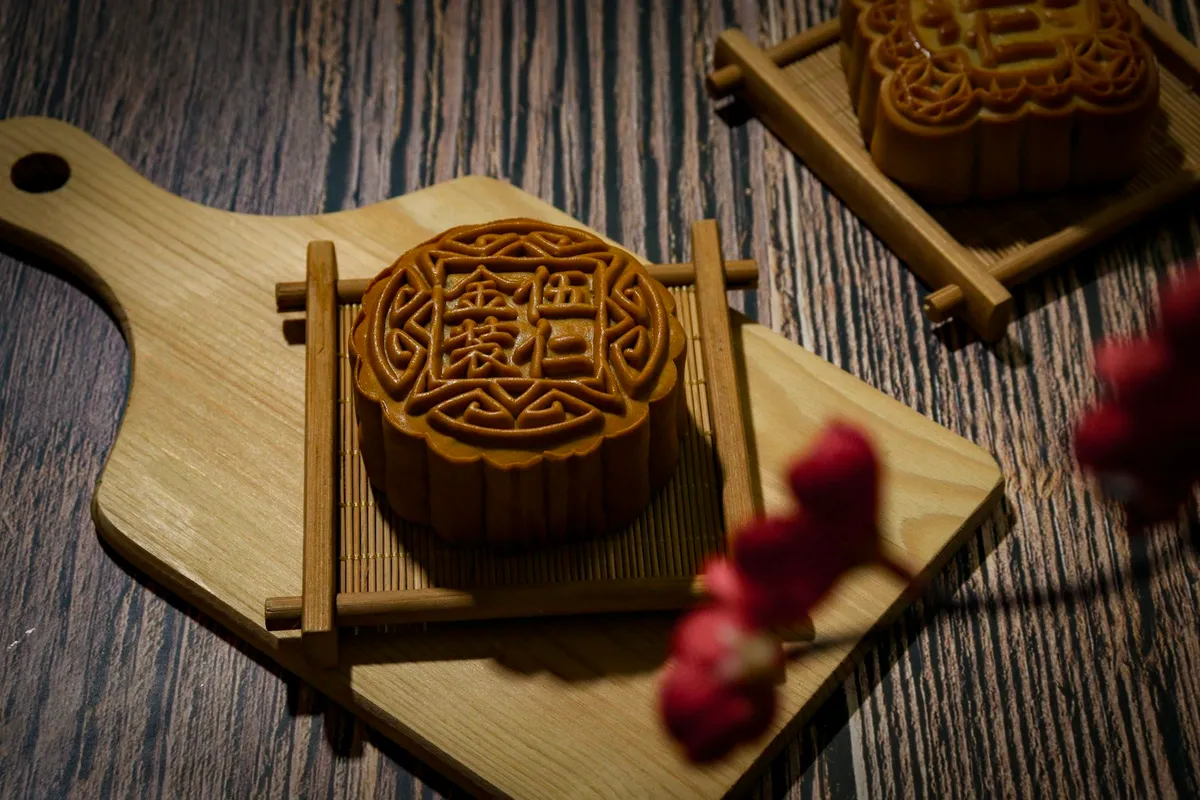
Mooncakes and reunion under the year's brightest moon.
The Mid-Autumn Festival, or Moon Festival, falls on the 15th day of the 8th lunar month, when the moon is at its fullest and brightest. Families gather to admire it and share mooncakes, round pastries that symbolise completeness and reunion.
The story behind it
The festival began as a harvest celebration, when families thanked the gods for the year's crops under the autumn moon.
Its best-known legend is Chang'e, who drank an elixir of immortality and floated to the moon, where she lives with a jade rabbit. The festival honours her with moon-gazing and offerings.
What you eat
Mooncakes
Round pastries with fillings from lotus seed paste to salted egg yolk, given as gifts and shared among family.
Pomelo
A round citrus whose name sounds like reunion, eaten alongside mooncakes.
Hairy crab
In season in the Yangtze delta, a prized autumn delicacy.
What you see and do
Moon-gazing
At scenic spots, parks, and rooftops, the core ritual of the night.
Lantern displays
Many cities hold lantern shows, with riddle games attached.
Riddle games
Riddles written on lanterns, a playful tradition at fairs and gardens.
Where to go
Signature venues
Summer Palace
颐和园 · Beijing
Three Pools Mirroring the Moon
三潭印月 · Hangzhou
Li River
漓江 · Guilin
Holiday schedule
3 days (Sep 25–27, 2026)
Resume work Sep 28
Official 2026 arrangement, shown as reference — the 2027 schedule is announced late in the year before.
Mid-Autumn in Guilin 3 days
- 1 Arrive, buy mooncakes at a night market
- 2 Li River cruise by day, moon over the karst at night
- 3 Yangshuo countryside in the morning, fly out
Watch out for
Mooncakes are dense and heavily sweet, buy a small box first.
Scenic spots fill up on moon-viewing night, go early or choose a quieter viewpoint.
Mid-Autumn can overlap with National Day Golden Week, so book transport early.
Quick answers
When is Mid-Autumn Festival 2027?
September 15, 2027, with the public holiday around September 15 to 17.
What do you eat at Mid-Autumn?
Mooncakes, pomelo, and seasonal hairy crab, all shared among family.
Is Mid-Autumn a public holiday in China?
Yes, it is a three-day public holiday, one of China's major festivals.
Where is the best place to watch the moon?
Scenic spots like Guilin's Li River, the West Lake, or any high vantage point in a clear city.
Double Ninth Festival
重阳节 Oct 8 9th day of the 9th lunar month Low crowds
Double Ninth Festival
重阳节
Climb a mountain and honor your elders.
The Double Ninth Festival, or Chongyang, falls on the ninth day of the ninth lunar month. The double nine is a lucky number in Chinese tradition, and the day is marked by climbing heights, admiring chrysanthemums, and honouring the elderly.
The story behind it
Nine is a yang, or positive, number in Chinese cosmology, and the ninth day of the ninth month doubles it, giving the festival its name and its auspicious character.
A well-known legend tells of Huan Jing, who was warned that disaster would strike his home on the double ninth. He took his family up a mountain and returned to find their livestock dead, spared because they had climbed to safety.
Today the festival is also a day to respect the elderly, with families visiting older relatives and taking them on autumn outings.
What you eat
Chongyang cake
A layered rice cake, its name echoing the word for high, tied to the climbing tradition.
Chrysanthemum wine
Flower-scented wine drunk as a nod to the season's blossom.
What you see and do
Mountain climbing
The central ritual, with families hiking in the clear autumn air.
Chrysanthemum shows
Parks stage displays of the season's flower.
Visiting elders
A day to call on and honour older relatives.
Where to go
Signature venues
Fragrant Hills Park
香山公园 · Beijing
West Lake hills
西湖群山 · Hangzhou
Double Ninth in Hangzhou 2 days
- 1 Arrive, hike the West Lake hills in clear autumn air
- 2 Chrysanthemum show in a city park, fly out
Watch out for
A quieter, mostly family-focused festival, perfect for autumn scenery without Golden Week crowds.
October weather is crisp and clear in eastern China, ideal for hiking.
The festival often falls close to National Day, so check dates and book transport early if they overlap.
Quick answers
When is the Double Ninth Festival in 2027?
October 8, 2027, the ninth day of the ninth lunar month.
What is the Double Ninth Festival?
A day for climbing heights, admiring chrysanthemums, and honouring the elderly.
What do people eat?
Chongyang cake and chrysanthemum wine are the traditional foods.
Is it a public holiday?
It is not a national public holiday, but it is widely observed as a family day.
Laba Festival
腊八节 Jan 15 8th day of the 12th lunar month Moderate crowds
Laba Festival
腊八节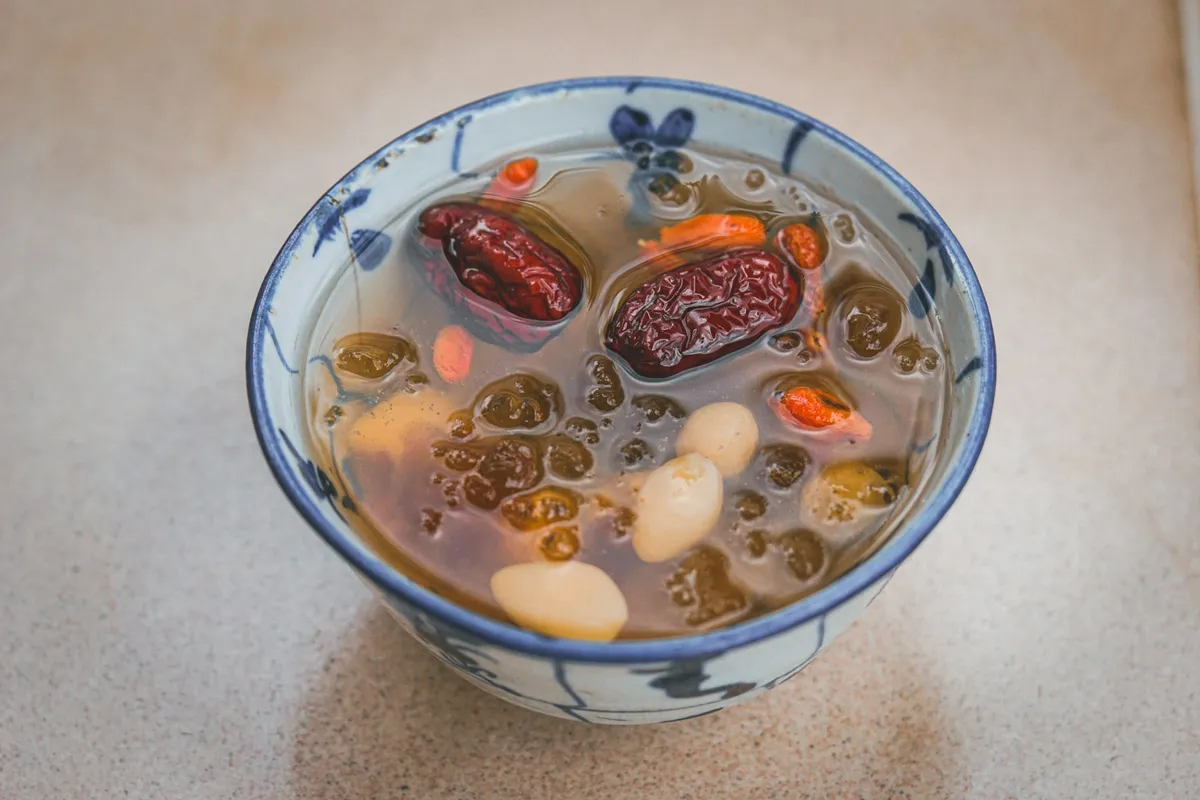
A warm bowl of porridge that opens the New Year season.
The Laba Festival falls on the eighth day of the twelfth lunar month, and it opens the countdown to Spring Festival. Its signature is laba porridge, a sweet or savoury porridge of grains, beans, and dried fruit handed out free at temples at dawn.
The story behind it
Laba has roots in the ancient end-of-year sacrifices to ancestors and gods, held in the twelfth lunar month to give thanks and ask for a good harvest.
Buddhism added another layer: the eighth day of the twelfth month marks the enlightenment of the Buddha, and temples began serving porridge to the poor in his honour.
Today the temple porridge lines remain the festival's most visible tradition, with places like Yonghegong in Beijing serving thousands of bowls before sunrise.
What you eat
Laba porridge
An eight-treasure porridge of rice, beans, nuts, and dried fruit, the festival's namesake dish.
Laba garlic
Garlic cloves pickled in vinegar, which turn green and are ready to eat by Spring Festival.
What you see and do
Temple porridge
Monasteries serve free porridge at dawn, drawing long, quiet queues.
Pickling laba garlic
Families pickle garlic in vinegar as a New Year preparation.
First New Year decorations
Streets begin to turn red as the Spring Festival approaches.
Where to go
Signature venues
Yonghegong Lama Temple
雍和宫 · Beijing
Guangji Temple
广济寺 · Beijing
Laba in Beijing 2 days
- 1 Arrive, join a temple porridge line at dawn
- 2 Stroll streets turning red for New Year, fly out
Watch out for
Temple porridge lines form before sunrise and are a local ritual, not a tourist show, so keep it brief and respectful.
Porridge is handed out until supplies run out, arrive early.
It is a working day in most of China, so transport and hotels are normal.
Quick answers
When is the Laba Festival in 2027?
January 15, 2027, the eighth day of the twelfth lunar month.
What is laba porridge?
A porridge of grains, beans, and dried fruit, served free at temples to mark the festival.
Where can I try it?
Buddhist temples, especially in Beijing, hand out free porridge at dawn.
Is Laba a public holiday?
No, it is a traditional observance that opens the countdown to Spring Festival.
Chinese New Year's Eve
除夕 Feb 5 Last day of the 12th lunar month Very crowded
Chinese New Year's Eve
除夕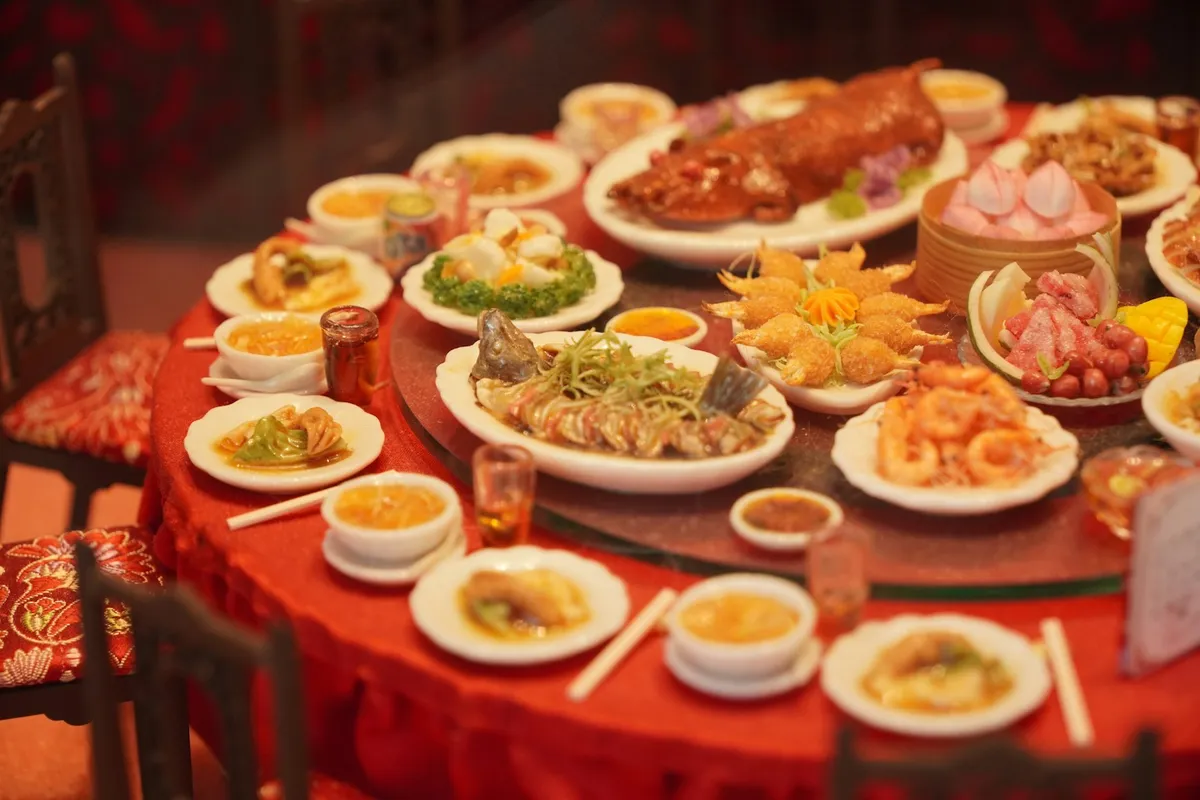
The reunion dinner that anchors the entire year.
New Year's Eve, or Chuxi, is the most important night of the Chinese year. The whole family sits down to the reunion dinner, the year's most significant meal, then stays up late to welcome the new year with fireworks and the Spring Festival Gala.
The story behind it
The custom of staying up on New Year's Eve, called shousui, is centuries old, a vigil that began as a way to guard against the mythical Nian beast and became a family ritual of togetherness.
The reunion dinner is the festival's anchor. Wherever people work, they travel home for this one meal, which is why New Year's Eve triggers the world's largest annual migration.
At midnight, families eat dumplings in the north, symbolising the turning of the old year into the new.
What you eat
The reunion dinner
A multi-course feast, with dishes chosen for their lucky meanings rather than taste alone.
Midnight dumplings
Eaten as the year turns, their shape echoing the old money ingots.
Whole fish
Served with head and tail intact for the phrase surplus every year.
What you see and do
The reunion dinner
The one meal no one misses, booked weeks or months in advance.
Midnight fireworks
Cities light up at midnight where fireworks are permitted.
The Spring Festival Gala
A televised variety show watched by hundreds of millions on the night.
Shousui
Staying up late to welcome the new year together.
Where to go
Signature venues
The Bund
外滩 · Shanghai
Chunxi Road
春熙路 · Chengdu
Holiday schedule
Part of the 9-day Spring Festival break (2026)
Eve falls on Feb 16, 2026
Official 2026 arrangement, shown as reference — the 2027 schedule is announced late in the year before.
New Year's Eve in Beijing 2 days
- 1 Arrive, book a hotel reunion dinner in advance
- 2 Midnight fireworks and shousui, recover on day two
Watch out for
Most restaurants close by early evening for private family dinners. Book a hotel dinner well ahead, or plan to eat before 6pm.
Transport into cities peaks in the days before, book trains and flights early.
The first days of the new year are very quiet, with many shops closed.
Quick answers
When is Chinese New Year's Eve in 2027?
February 5, 2027, the last day of the twelfth lunar month.
What is the reunion dinner?
The most important family meal of the year, when everyone travels home to eat together.
Are restaurants open on New Year's Eve?
Many family restaurants close by evening. Hotel restaurants and larger chains stay open, but book ahead.
What happens at midnight?
Families eat dumplings and welcome the new year with fireworks and the Spring Festival Gala.
Ethnic Festivals
少数民族节日 Water Splashing Festival
泼水节 Apr 13-15 Dai New Year, mid-April Very crowded
Water Splashing Festival
泼水节The Dai New Year, celebrated by soaking everyone in sight.
The Water Splashing Festival is the Dai people's New Year, celebrated across Xishuangbanna and Dehong in Yunnan. In mid-April, the tropical south turns into a joyful, city-wide water fight in which being soaked is not an accident but a blessing.
The story behind it
The festival marks the Dai New Year and falls in mid-April, when the southern tropics are already warm. Water is thrown to wash away the misfortunes of the old year and invite luck for the new one.
The water has a Buddhist root, linked to the ritual bathing of Buddha statues, but over centuries it grew into the open, good-natured free-for-all visitors know today.
What you eat
Pineapple rice
Sticky rice steamed inside a hollowed pineapple, sweet and fragrant.
Lemongrass grilled fish
Dai-style river fish grilled with lemongrass, smoky and aromatic.
Paoluda
A coconut-milk dessert with bread and jelly, a local street favourite.
What you see and do
The water fight
Streets become a free-for-all with buckets, hoses, and water guns.
Dragon boat races
Teams race long boats on the Lancang River to drumbeats.
Sky lanterns
Released at night, carrying wishes into the sky.
Ganbai markets
Street fairs with Dai food, crafts, and performances.
Where to go
Signature venues
Manting Park
曼听公园 · Jinghong
Dai Minority Park, Ganlanba
橄榄坝傣族园 · Jinghong
Lancang River waterfront
澜沧江畔 · Jinghong
Water Splashing in Xishuangbanna 3 days
- 1 Arrive in Jinghong, night market at Gaozhuang
- 2 The main water fight and dragon-boat races
- 3 Manting Park, release a sky lantern, fly out
Watch out for
Waterproof everything. Phone pouches and dry bags are essential.
Dress in quick-dry clothes you do not mind soaking all day.
Book accommodation early, Jinghong fills up weeks before.
The festival is also a public holiday in parts of Yunnan, so transport is busy.
Quick answers
What is the Water Splashing Festival?
The Dai people's New Year in Yunnan, celebrated by throwing water on everyone as a blessing for the new year.
When is the Water Splashing Festival?
April 13 to 15 each year, the fixed dates of the Dai New Year.
Where should I experience it?
Xishuangbanna in southern Yunnan is the heart of the festival, with Dehong as a quieter alternative.
Is it safe for tourists?
Yes, it is joyful and good-natured. Just protect your phone and valuables from water.
Torch Festival
火把节 Jul 27 (approx) 24th day of the 6th lunar month Very crowded
Torch Festival
火把节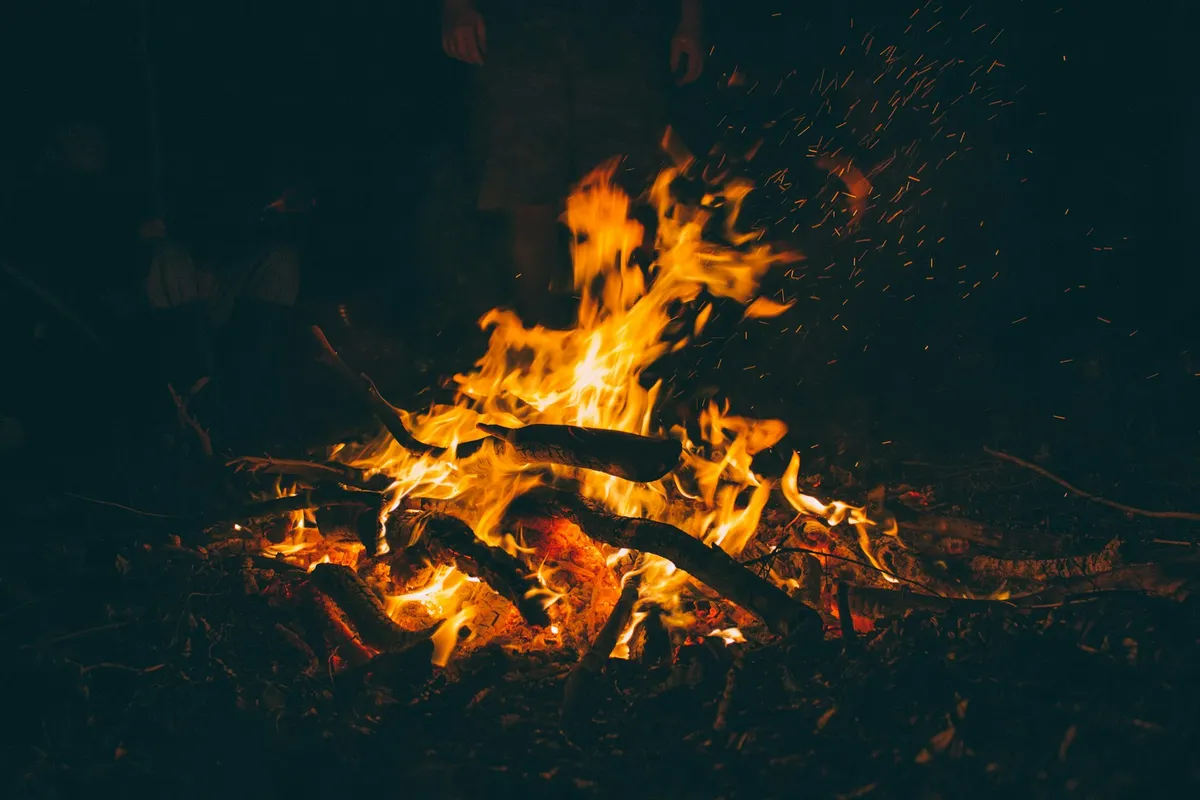
A mountain of fire under the stars of Yunnan and Sichuan.
The Torch Festival is the Yi people's biggest celebration, held in late summer across Yunnan and Sichuan. Villages and towns light enormous torches, and people sing, dance, and parade through the night to drive away bad spirits and pray for a good harvest.
The story behind it
The festival is rooted in the Yi people's fire worship, an ancient belief that fire can drive away evil and bring fertility to the land. It falls on the 24th day of the sixth lunar month, at the height of summer.
Legend adds a heroic layer: a brave man is said to have used torches to defeat a plague of locusts descending on the crops, and the festival commemorates the victory.
Today it is celebrated by the Yi and other ethnic groups across the southwest, with the largest gatherings in Liangshan in Sichuan and around Dali in Yunnan.
What you eat
Roast lamb
Whole lamb roasted over open fires, the centrepiece of festival feasts.
Buckwheat cakes
A staple of the Yi highlands, served with chilli dips and pickles.
Sour soup
A tangy Yi-style soup, warming and restorative after a night of dancing.
What you see and do
Torch lighting
Giant torches are lit in village squares at dusk, and the night glows with fire.
Song and dance circles
The Yi dage dance brings whole villages into circling, hand-held movement around the flames.
Wrestling and horse races
Daytime competitions of strength and skill, part of the festival's athletic tradition.
Where to go
Signature venues
Torch Square
火把广场 · Xichang
Yi People Ancient Town
彝人古镇 · Chuxiong
Dali Ancient City
大理古城 · Dali
Torch Festival in Dali 3 days
- 1 Arrive in Dali, explore the old town
- 2 Torch lighting and dance circles by Erhai Lake
- 3 Daytime wrestling and horse events, fly out
Watch out for
Watch the big torch from the edges, the crowd surges forward as it is lit.
Wear natural fibres rather than synthetics near open flame.
Dates shift with the lunar calendar, confirm locally before you book.
Highland nights are cool even in August, bring a warm layer.
Quick answers
When is the Torch Festival?
It falls on the 24th day of the sixth lunar month, which lands in late July or August, and the exact date shifts each year.
Who celebrates the Torch Festival?
Primarily the Yi people, with related celebrations among other ethnic groups in Yunnan and Sichuan.
Where is the best place to see it?
Liangshan in Sichuan has the largest celebration, while Dali in Yunnan offers torch night by Erhai Lake.
Is it safe for tourists?
Yes, it is joyful and welcoming, but keep distance from the flames and wear natural fibres.
San Yue San
三月三 Apr 9 3rd day of the 3rd lunar month Moderate crowds
San Yue San
三月三Guangxi's Zhuang song festival, the original courtship app.
San Yue San, the third day of the third lunar month, is the Zhuang people's song festival and a public holiday across Guangxi. Young people gather to trade improvised songs in call-and-response, a tradition that once served as courtship and still fills villages with music today.
The story behind it
The Zhuang are China's largest ethnic minority, and their song festival, known as the gexu, has roots in an ancient courtship custom where young people met and sang to each other in the fields.
Legend adds a mythical heroine, Liu Sanjie, the third sister, a singer so gifted that her songs became the heart of the festival's identity.
Today San Yue San is a public holiday in Guangxi, and the festival fills city squares and villages with antiphonal singing, bamboo-pole dancing, and five-color rice.
What you eat
Five-color glutinous rice
Sticky rice dyed black, red, yellow, purple, and white with wild plants, a visual centrepiece and blessing.
Oil tea
A savoury tea brewed with puffed rice, peanuts, and ginger, a Zhuang staple.
Zongzi
The Zhuang make oversized, leaf-wrapped rice parcels for the festival.
What you see and do
Antiphonal singing
Call-and-response song contests, the festival's core tradition.
Bamboo-pole dancing
Dancers step between poles clapped in rhythm, a crowd favourite.
Throwing the embroidered ball
A courtship game where a silk ball is tossed to choose a partner.
Where to go
Signature venues
Two Rivers and Four Lakes
两江四湖 · Guilin
Longji Rice Terraces
龙脊梯田 · Longsheng
Holiday schedule
Public holiday in Guangxi (usually 2–3 days)
Official 2026 arrangement, shown as reference — the 2027 schedule is announced late in the year before.
San Yue San in Guangxi 3 days
- 1 Arrive in Nanning, try five-color rice
- 2 Watch singing contests and bamboo-pole dancing
- 3 Day trip to a Zhuang village, fly out
Watch out for
It is a public holiday in Guangxi, so transport and hotels fill up. Book the Nanning corridor early.
The best singing is in villages outside the cities, so plan a day trip with a local driver.
Ask before photographing people in traditional dress.
Quick answers
When is San Yue San in 2027?
April 9, 2027, the third day of the third lunar month.
What is San Yue San?
The Zhuang people's song festival in Guangxi, a public holiday marked by antiphonal singing and five-color rice.
Where is it celebrated?
Across Guangxi, with the largest events in Nanning and in Zhuang villages around Guilin.
What should I eat?
Five-color glutinous rice, oil tea, and Zhuang-style zongzi.
Sisters' Meal Festival
姊妹节 Apr 21 (approx) 15th day of the 3rd lunar month Moderate crowds
Sisters' Meal Festival
姊妹节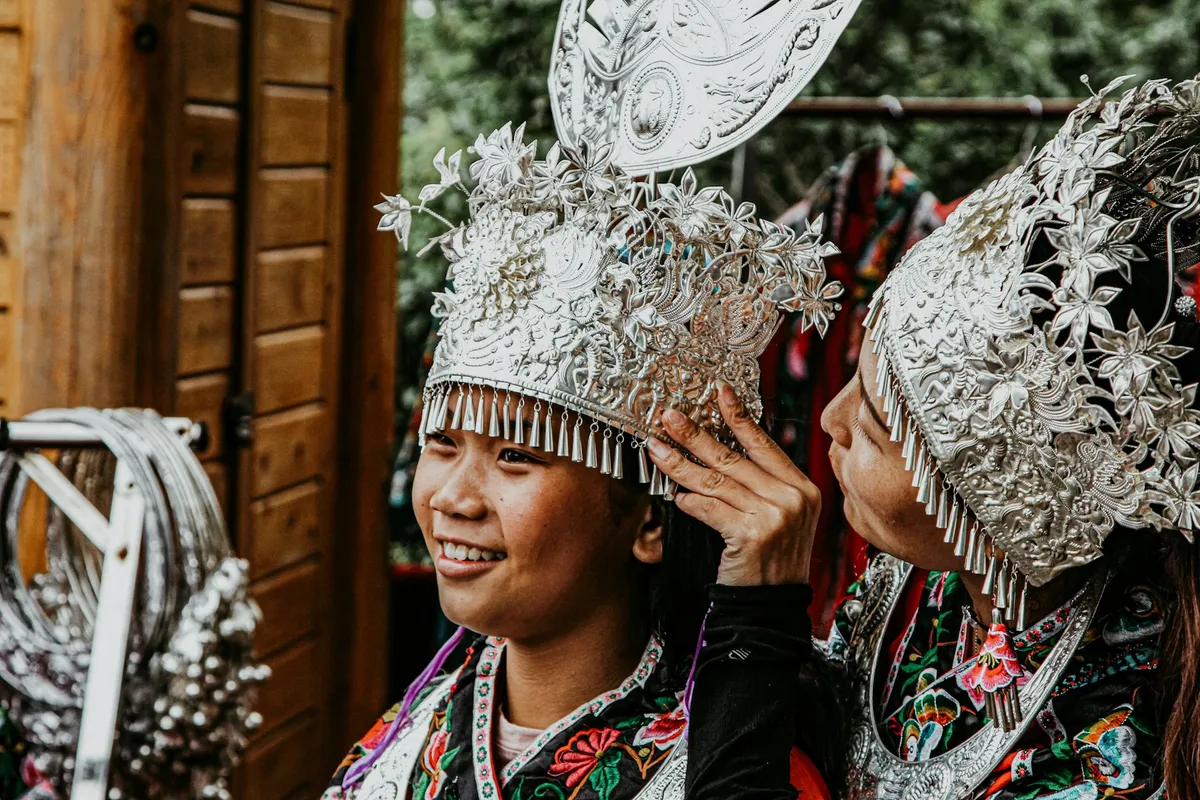
The Miao Valentine's Day, wrapped in dyed sticky rice.
The Sisters' Meal Festival is the Miao people's courtship celebration, held in Guizhou in spring. Women prepare five-color sticky rice and dress in heavy silver, and the village sings and dances for days in a tradition that once served as an open marriage market.
The story behind it
The Miao, known for their elaborate silver jewellery and embroidery, have long used the festival as a way for young people from different villages to meet and court.
The five-color rice is the festival's signature: women dye sticky rice with wild plants and wrap it, sometimes hiding tokens inside that signal a reply to a suitor.
Today the festival draws visitors to the Miao villages around Kaili, where the silver headdresses, reed-pipe music, and rice wine remain unchanged at heart.
What you eat
Five-color sticky rice
Dyed with wild plants and wrapped in leaves, the festival's centrepiece.
Sour fish soup
A Miao staple of pickled fish and vegetables, sharp and warming.
Rice wine
Home-brewed and offered generously to guests.
What you see and do
Silver-dressed parades
Miao women in full silver headdresses and layered necklaces.
Lusheng reed-pipe dancing
Men play the lusheng while dancers circle in step.
Courtship games
Songs and games that preserve the festival's matchmaking roots.
Where to go
Signature venues
Shidong Town
施洞镇 · Taijiang
Xijiang Qianhu Miao Village
西江千户苗寨 · Leishan
Sisters' Meal Festival in Guizhou 3 days
- 1 Arrive in Kaili, hire a local driver
- 2 Visit a festival village for the silver parade and dancing
- 3 Try five-color rice and rice wine, fly out
Watch out for
The villages are remote, so hire a local driver from Kaili.
Ask before photographing people in ceremonial dress.
Dates shift with the lunar calendar, confirm before you book.
Quick answers
What is the Sisters' Meal Festival?
The Miao people's courtship festival in Guizhou, marked by five-color rice and silver-dressed parades.
Where is it held?
In Miao villages around Kaili, with Taijiang as its traditional home.
What is five-color sticky rice?
Glutinous rice dyed with wild plants in five colours, the festival's signature food.
Is it tourist-friendly?
Yes, visitors are welcome, but the villages are remote and it helps to have a local guide.
Naadam Festival
那达慕 mid-Jul (variable) Mid-summer on the grasslands Moderate crowds
Naadam Festival
那达慕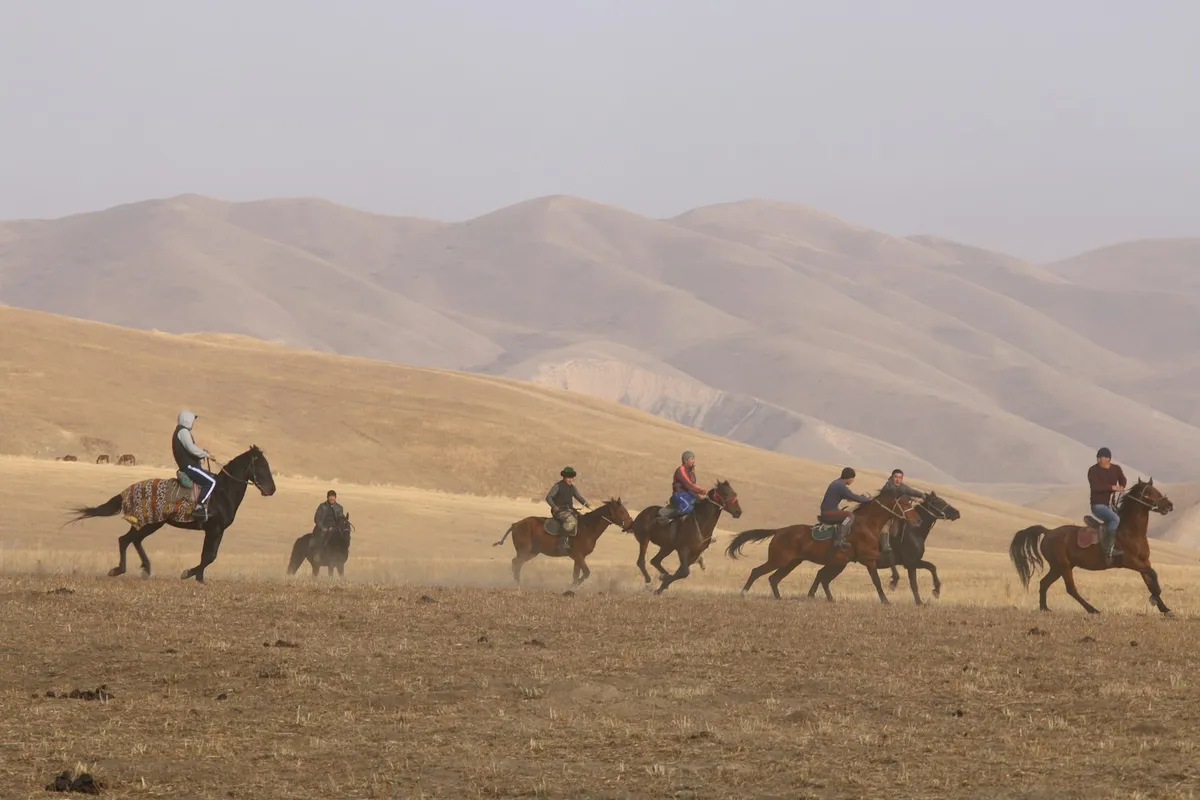
Wrestling, archery, and horse racing on the open steppe.
Naadam is Mongolia's greatest festival, centred on the three games of men: wrestling, archery, and horse racing. On the Inner Mongolian grasslands, competitors gather for days of sport and feasting, and the whole event carries the spirit of the nomadic steppe.
The story behind it
Naadam has roots in the military and hunting traditions of the steppe, where a warrior's worth was measured in strength, aim, and horsemanship.
The three games, wrestling, archery, and horse racing, are unchanged in essence from those origins, and the festival remains a point of pride for Mongolian communities.
In Inner Mongolia, Naadam is held in summer, with the largest urban event in Hohhot and more authentic gatherings on the grasslands of Hulunbuir.
What you eat
Roast whole lamb
The centrepiece of the festival feast, roasted over open fires.
Milk tea
Savoury, salted tea made with milk, the everyday drink of the steppe.
Airag
Fermented mare's milk, lightly alcoholic and an acquired taste.
What you see and do
Wrestling
Competitors in traditional vests and boots grapple in open-air bouts.
Archery
Archers shoot at distant targets with traditional bows.
Horse racing
Long-distance races often ridden by young jockeys.
Where to go
Signature venues
Xilingol Grassland
锡林郭勒草原 · Xilinhot
Hulunbuir Grassland
呼伦贝尔草原 · Hulunbuir
Naadam in Inner Mongolia 3 days
- 1 Arrive in Hohhot, acclimatise to the plateau
- 2 Watch the opening ceremony and wrestling
- 3 Grassland day for horse racing and archery, fly out
Watch out for
Dates shift year to year, confirm locally before flying.
Grassland nights are cold even in July, pack layers.
The grassland Naadam in Hulunbuir is more authentic but requires a long drive.
Quick answers
What is Naadam?
Mongolia's festival of the three games of men: wrestling, archery, and horse racing.
When is it held?
In July in Inner Mongolia, though exact dates shift each year.
Where is the best Naadam?
Hohhot has the main urban event, while Hulunbuir offers the most authentic grassland setting.
What should I eat?
Roast lamb, salted milk tea, and airag, the fermented mare's milk.
Shoton Festival
雪顿节 mid-Aug (variable) Late 6th to early 7th Tibetan month Very crowded
Shoton Festival
雪顿节A giant thangka unrolled at dawn over Lhasa.
The Shoton Festival, Tibet's yogurt festival, is famous for a single moment: the unveiling of a vast thangka at Drepung Monastery at first light. What follows is days of Tibetan opera, picnics, and yogurt feasts in the summer air of Lhasa.
The story behind it
The name Shoton means yogurt banquet. It began as a monastic observance, when monks emerged from a summer retreat and lay people offered them yogurt.
Over time the offering grew into a public festival, and the dawn unveiling of the giant thangka at Drepung became its centrepiece.
Tibetan opera, performed over the following days in Norbulingka, completes the festival's blend of the sacred and the festive.
What you eat
Tibetan yogurt
Rich, tangy yak-milk yogurt, the festival's namesake offering.
Sweet tea
A milky, sweetened tea served in teahouses across Lhasa.
Tsampa
Roasted barley flour, the staple of the plateau, eaten with tea.
What you see and do
The thangka unveiling
A vast painted thangka unrolled down the hillside at Drepung at dawn.
Tibetan opera
Masked performances staged in Norbulingka over the following days.
Picnics
Families picnic on the grass with yogurt and sweet tea.
Where to go
Signature venues
Drepung Monastery
哲蚌寺 · Lhasa
Norbulingka
罗布林卡 · Lhasa
Shoton in Lhasa 3 days
- 1 Arrive in Lhasa, acclimatise to the altitude
- 2 Dawn thangka unveiling at Drepung Monastery
- 3 Tibetan opera in Norbulingka, fly out
Watch out for
Tibet travel requires permits arranged through a licensed agency.
The thangka viewing starts before sunrise, arrive early and dress warmly.
Acclimatise to Lhasa's altitude for a day or two before the festival.
Quick answers
What is the Shoton Festival?
Tibet's yogurt festival, famous for the dawn unveiling of a giant thangka at Drepung Monastery.
When is it held?
In August, on the last day of the sixth Tibetan month, with dates shifting each year.
Do I need a permit?
Yes, most visitors to Tibet need a permit arranged through a licensed travel agency.
What should I see first?
The thangka unveiling at Drepung at dawn, then the Tibetan opera in Norbulingka.
Tibetan New Year
藏历新年 Feb (variable) 1st day of the 1st Tibetan month Moderate crowds
Tibetan New Year
藏历新年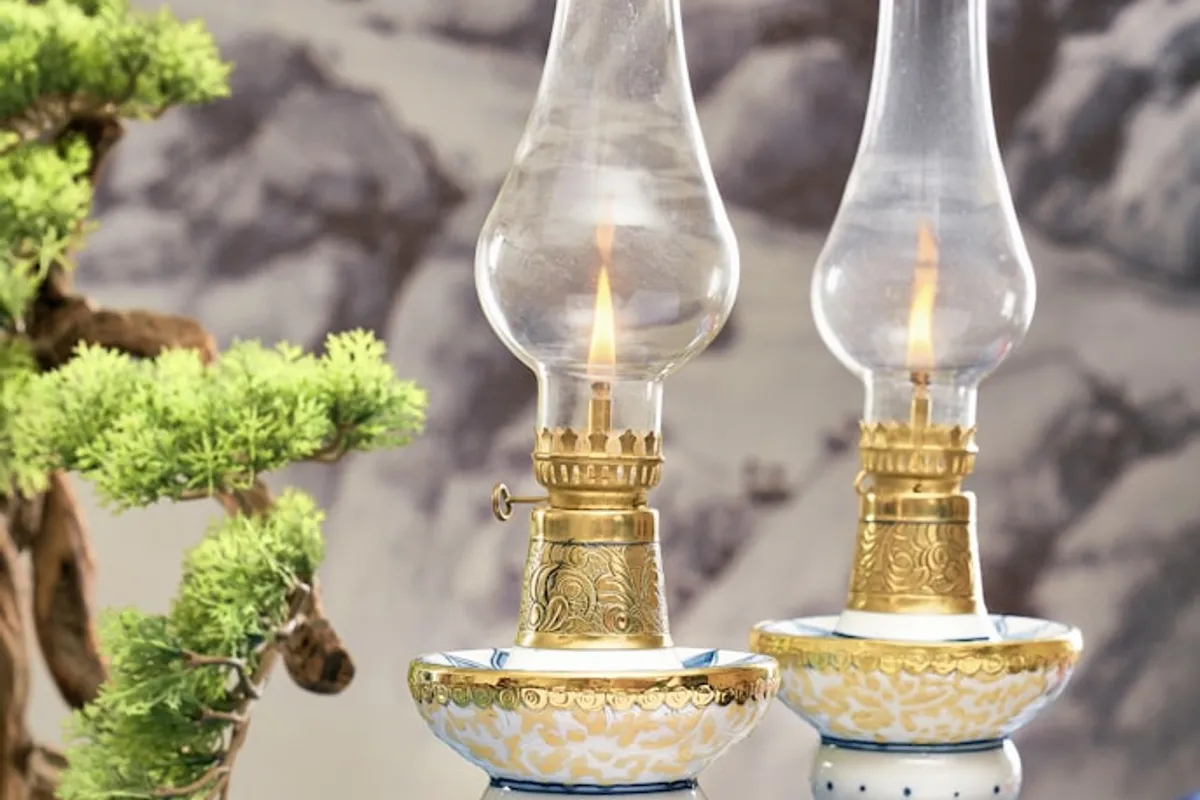
Losar, a New Year all its own on the plateau.
Losar, the Tibetan New Year, is Tibet's most important festival, often close to but distinct from Chinese New Year. It is marked by family feasts, monastery rituals, and the ceremonial guthuk soup with fortunes hidden inside.
The story behind it
Losar predates Buddhism in Tibet, rooted in winter bonfires and offerings to the spirits of the land, and later absorbed Buddhist ritual.
The festival begins days before the new year with house cleaning and the making of khapse, fried pastries, and builds to the eve, when families eat guthuk together.
On the first morning, families rise early, dress in their best, and visit monasteries and relatives to exchange good wishes for the year ahead.
What you eat
Guthuk
A special eve soup of dumplings, some holding hidden fortunes like wool or coal.
Khapse
Fried pastries shaped into knots, prepared in the days before the new year.
Dresil
A sweet dish of rice, butter, and sugar served as a first taste of the year.
What you see and do
Monastery ceremonies
Butter lamps and prayers at the Jokhang and other temples.
House blessings
Homes decorated with lucky symbols and offerings of the chemar box.
Family visits
Relatives exchange greetings and gifts through the first days.
Where to go
Signature venues
Jokhang Temple
大昭寺 · Lhasa
Potala Palace square
布达拉宫广场 · Lhasa
Losar in Lhasa 3 days
- 1 Arrive in Lhasa, acclimatise
- 2 Watch monastery ceremonies and butter lamps
- 3 Try guthuk and khapse, fly out
Watch out for
Permits and cold weather make this an advanced trip. Plan through a licensed agency.
Allow acclimatisation days for Lhasa's altitude.
Many businesses close over Losar, so plan meals and transport ahead.
Quick answers
When is Tibetan New Year in 2027?
It falls in February, though the exact date follows the Tibetan calendar and shifts each year.
What is guthuk?
A special eve soup of dumplings, some hiding tokens that predict the coming year.
Is Losar the same as Chinese New Year?
No, it follows the Tibetan calendar and often falls close to but distinct from Chinese New Year.
Do I need a permit?
Yes, most visitors to Tibet need a permit arranged through a licensed agency.
Modern Holidays
现代公历节日 Harbin Ice & Snow Festival
哈尔滨冰雪节 Jan 5 - late Feb Very crowded
Harbin Ice & Snow Festival
哈尔滨冰雪节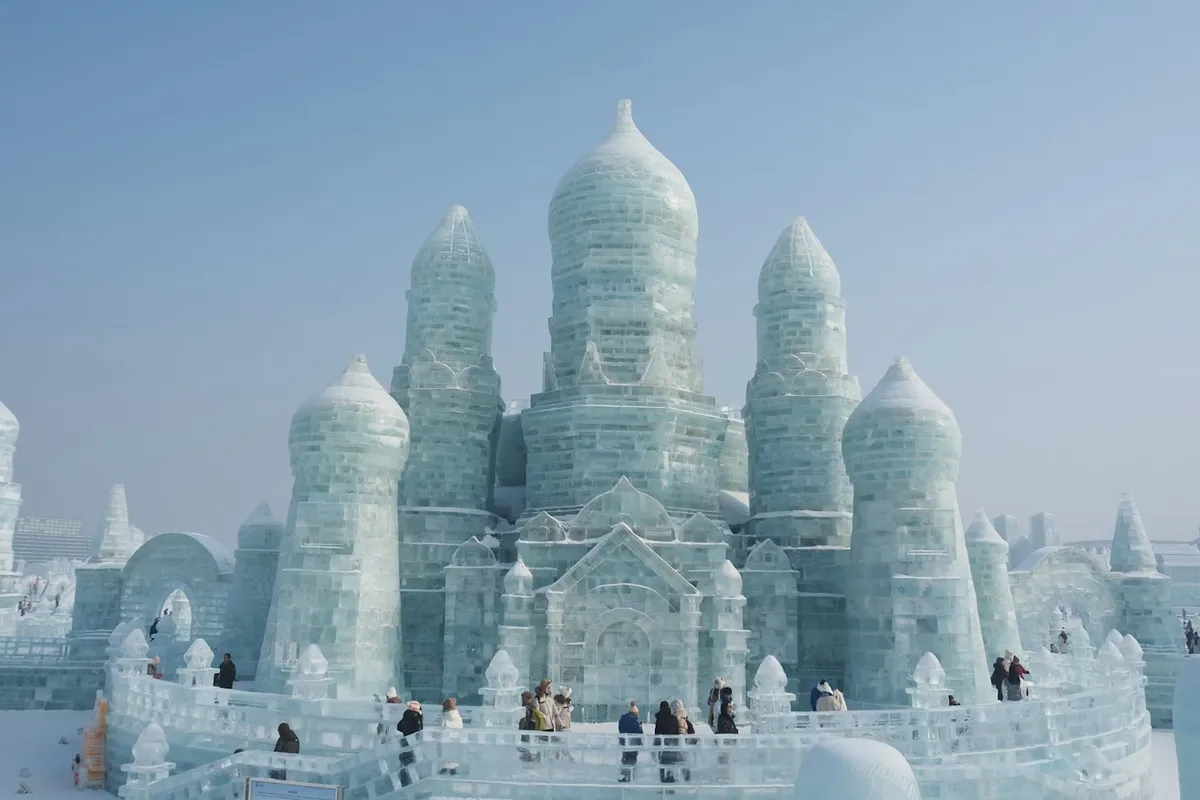
A city-sized castle built from ice and light.
The Harbin Ice and Snow Festival is the world's largest ice festival. Every winter, Harbin in northeast China turns into a glowing city of illuminated ice and snow sculptures, some the size of buildings, in temperatures that routinely drop below -20°C.
The story behind it
The festival grew out of Harbin's ice lantern shows, a local winter pastime that dates back to the 1960s. In 1963 the city staged its first organised ice lantern garden party.
It became the official Ice and Snow Festival in 1985 and has since grown into a sprawling multi-venue event centred on the Ice and Snow World, a park of colossal illuminated ice structures rebuilt from scratch each winter.
Harbin's position in China's far northeast, where rivers freeze solid for months, gives the festival its raw material and its signature extreme cold.
What you eat
Harbin sausage
A smoky, garlicky cured sausage with Russian influence, sold from street stalls across the city.
Frozen pears
Frozen pears and persimmons, eaten thawed or half-frozen, a classic northeast winter snack.
Guo bao rou
Crispy sweet-and-sour pork, Harbin's most famous dish, perfect after hours in the cold.
Modern ice cream
A century-old ice cream brand sold on Central Street, eaten outdoors even in winter.
What you see and do
Ice and Snow World
The main park, with ice castles, slides, and illuminated sculptures on a colossal scale.
Sun Island Snow Expo
A separate park focused on snow sculpture, often quieter than the main venue.
Central Street
A pedestrian boulevard of Russian-era architecture, lined with food and shops.
Winter swimming
A hardy local tradition, with swimmers plunging into a hole cut in the frozen Songhua River.
Where to go
Signature venues
Harbin Ice and Snow World
哈尔滨冰雪大世界 · Harbin
Sun Island Snow Sculpture Expo
太阳岛雪博会 · Harbin
Zhaolin Park Ice Lantern Fair
兆麟公园冰灯游园会 · Harbin
Harbin Ice Festival 3 days
- 1 Arrive, warm up with Harbin sausage on Central Street
- 2 Ice and Snow World from late afternoon into the illuminated evening
- 3 Sun Island Snow Expo in the morning, fly out
Watch out for
Dress for -20°C or colder: proper boots, thermal layers, hat, gloves, and a face covering.
Warm up indoors every hour, frostbite sets in faster than it feels.
The ice structures are at their best after dark, when the lights come on. Visit from late afternoon.
Book flights and hotels early, Harbin is at peak demand through the festival.
Quick answers
When is the Harbin Ice Festival in 2027?
It runs from early January to late February 2027, with the Ice and Snow World open through the season.
How cold does it get?
Temperatures routinely drop below -20°C, and can reach -30°C at night.
What should I wear?
Thermal layers, insulated boots, a hat, gloves, and a face covering. Rent or buy gear locally if needed.
Is it worth the cold?
Yes, the illuminated ice sculptures are unlike anything else in the world, and are best seen after dark.
National Day
国庆节 Oct 1 Very crowded
National Day
国庆节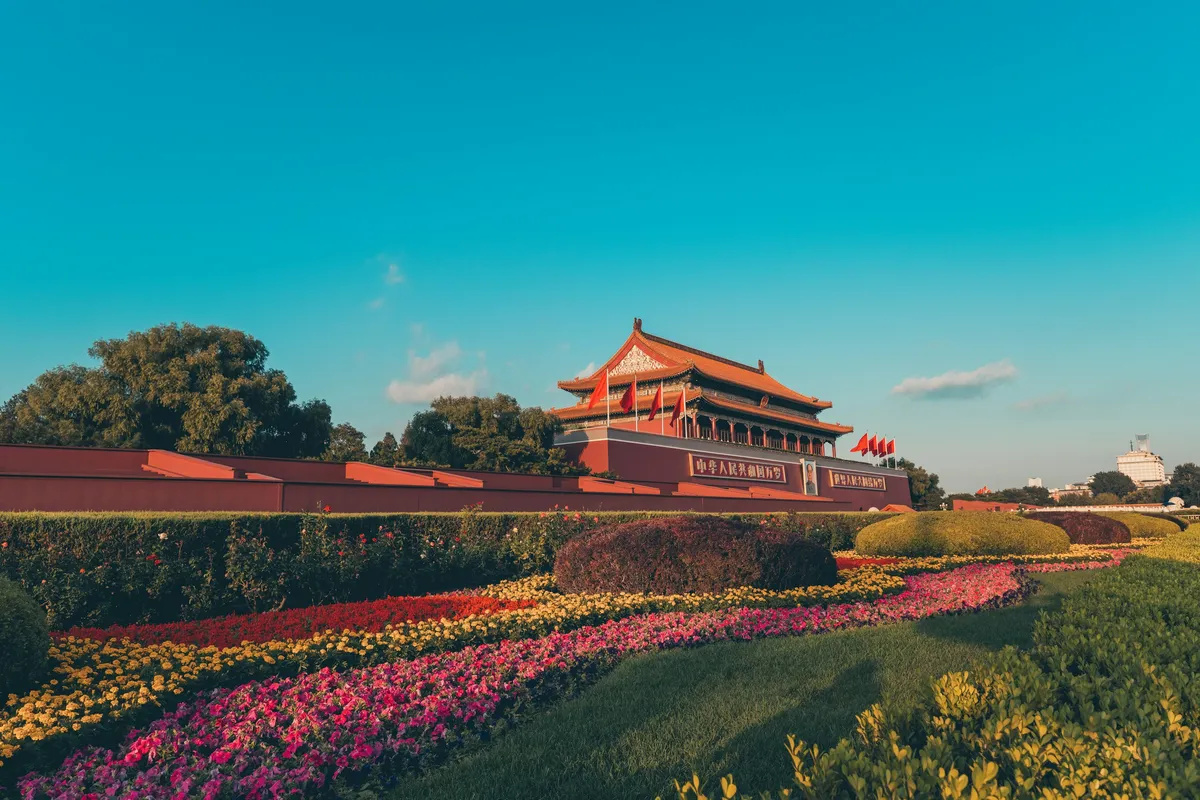
Golden Week, when the whole country travels at once.
National Day on October 1 marks the founding of the People's Republic of China and opens Golden Week, a seven-day holiday when the entire country travels at once. It is the single busiest travel period of the Chinese year.
The story behind it
October 1, 1949 marked the founding of the People's Republic of China, and the day has been a national holiday ever since.
In 1999 the holiday was extended into Golden Week, a full week off designed to boost domestic tourism and spending.
The result is a predictable annual phenomenon: hundreds of millions of trips, sold-out transport, and landmarks filled to capacity.
What you eat
Street food
Every attraction becomes a food street, with regional snacks on sale everywhere.
Autumn crab
Hairy crab is in season, a prized treat in the Yangtze delta.
What you see and do
Flag-raising
The Tiananmen Square flag-raising at dawn draws huge crowds.
City light shows
Major cities stage illuminated displays and evening events.
Autumn scenery
Golden Week lands in the best season for northern China's autumn colours.
Where to go
Signature venues
Tiananmen Square
天安门广场 · Beijing
Holiday schedule
7 days (Oct 1–7, 2026)
Resume work Oct 8; make-up work on Sep 20 & Oct 10
Official 2026 arrangement, shown as reference — the 2027 schedule is announced late in the year before.
National Day in Beijing 2 days
- 1 Arrive, watch the city light shows at dusk
- 2 Dawn flag-raising at Tiananmen, fly out
Watch out for
This is the worst week of the year for crowds and prices. If you visit, stay in one city and book everything far in advance.
Attractions often require advance tickets during Golden Week, check before you go.
If your dates are flexible, travel the week before or after for the same scenery without the crowds.
Quick answers
When is National Day in 2027?
October 1, 2027, opening a seven-day holiday through October 7.
What is Golden Week?
The seven-day National Day holiday, the busiest travel week of the Chinese year.
Should tourists avoid Golden Week?
Most travellers find it too crowded and expensive, but if your dates are fixed, stay in one city and book early.
What is there to see?
The Tiananmen flag-raising, city light shows, and peak autumn scenery.
Labor Day
劳动节 May 1 Very crowded
Labor Day
劳动节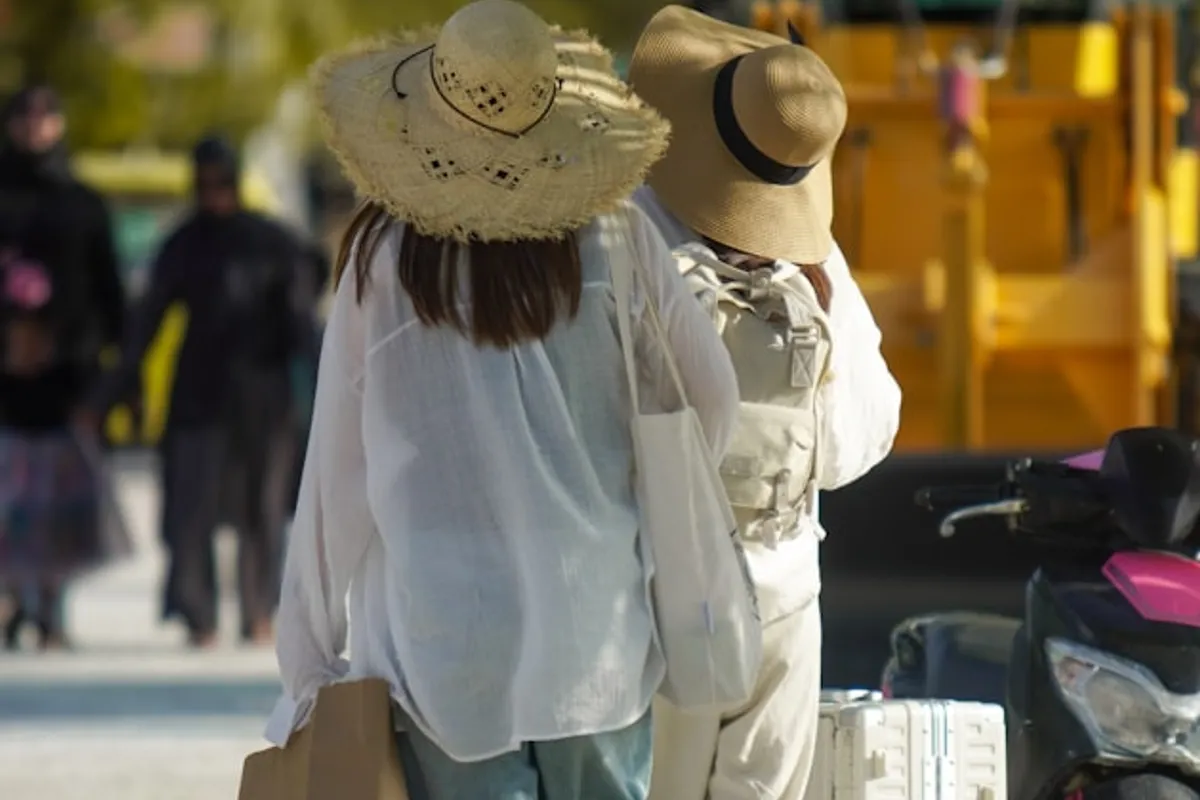
A five-day spring break, and the first big travel rush of the year.
Labor Day on May 1 becomes a five-day holiday in China, sending millions on their first major trips of the year. It is spring's answer to Golden Week, pleasant in weather but busy on the roads and rails.
The story behind it
May 1 is International Workers' Day, observed in China since the early twentieth century.
China extends the single day into a multi-day holiday, a spring counterpart to October's Golden Week.
The holiday reliably triggers a travel rush, with popular coastal and scenic cities filling up.
What you eat
Regional spring dishes
Spring greens, bamboo shoots, and the first seafood of the season.
What you see and do
Coastal escapes
Cities like Qingdao and Xiamen fill with visitors seeking spring sun.
Flower season
Northern cities reach their spring bloom during the holiday.
City breaks
Museums and parks run extended hours and special events.
Where to go
Signature venues
Zhanqiao Pier
栈桥 · Qingdao
May Fourth Square
五四广场 · Qingdao
Holiday schedule
5 days (May 1–5, 2026)
Resume work May 6; make-up work on May 9
Official 2026 arrangement, shown as reference — the 2027 schedule is announced late in the year before.
Labor Day on the coast 2 days
- 1 Arrive in Qingdao, walk the coast
- 2 Spring seafood and the old town, fly out
Watch out for
Expect full trains and premium hotel rates. Travel mid-week within the holiday window when possible.
Book transport the moment tickets go on sale.
Coastal cities are cooler than inland ones, bring a light layer.
Quick answers
When is Labor Day in China in 2027?
May 1, 2027, extended into a five-day holiday.
Is Labor Day busy for travel?
Yes, it is one of the busiest travel periods of the year, second only to Golden Week.
Where should I go?
Coastal cities like Qingdao and Xiamen are popular for spring weather.
Is it a good time to visit?
The weather is pleasant, but book early and expect crowds at popular spots.
Seasonal Events
季节活动 Cherry Blossom Season
赏樱季 mid-Mar - early Apr Very crowded
Cherry Blossom Season
赏樱季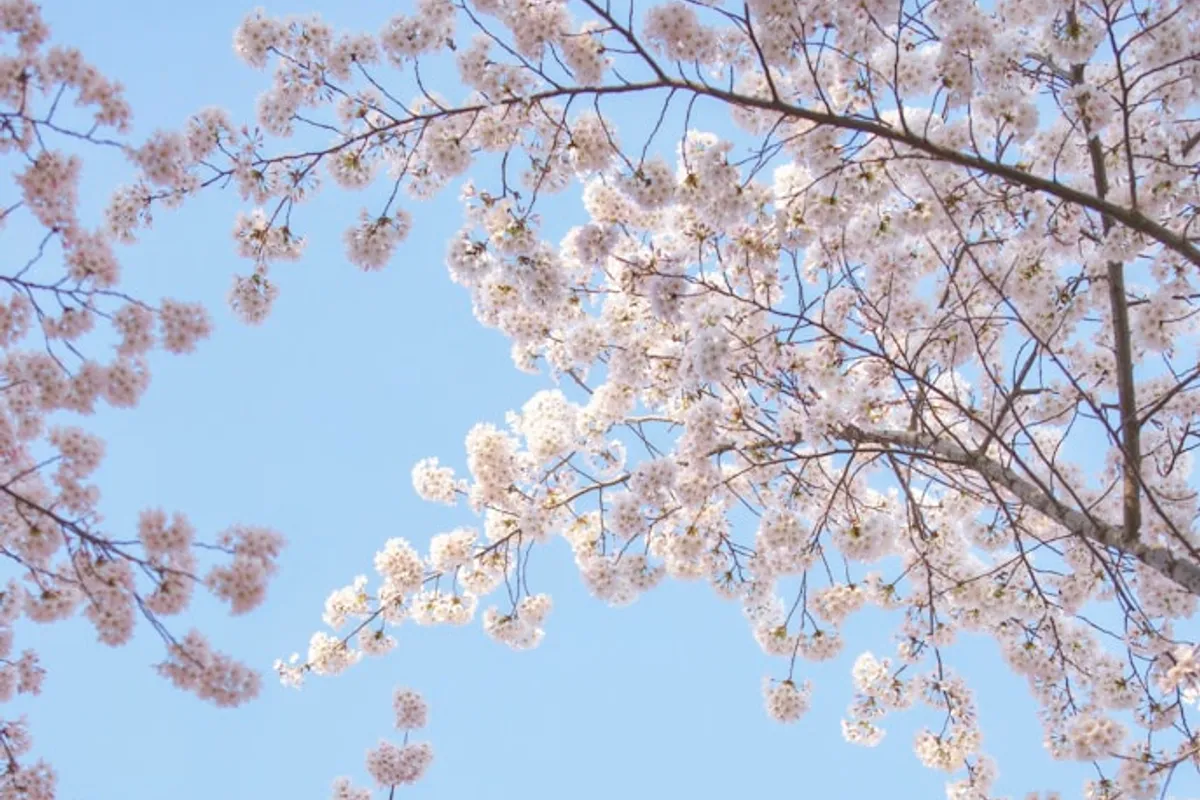
A pink, week-long window that draws photographers from everywhere.
Cherry blossom season is not a holiday but a moment. For about a week each spring, from Wuhan to Wuxi, the trees erupt in pink and entire cities come out to picnic beneath them, a tradition borrowed from Japan and made China's own.
The story behind it
Cherry blossoms arrived in China's modern cities partly through friendship plantings and campus landscaping in the twentieth century, and the custom of hanami, flower viewing, travelled with them.
Wuhan University's cherry avenue, planted in the mid-twentieth century, became the country's most famous viewing spot, drawing photographers and students each spring.
The bloom is famously brief, often lasting a week or less, which is precisely what makes it an event worth timing.
What you eat
Sakura-flavoured snacks
Seasonal cakes, drinks, and ice cream flavoured with cherry blossom.
Spring tea
Fresh green tea, harvested in the same early-spring weeks.
What you see and do
Campus viewing
Wuhan University's cherry avenue is the iconic spot, busy but beautiful.
Yuantouzhu peninsula
Wuxi's lakeside peninsula, with blossoms framing Taihu Lake.
Night illuminations
Some gardens light the blossoms after dark.
Where to go
Signature venues
Wuhan University cherry avenue
武汉大学樱花大道 · Wuhan
East Lake Cherry Blossom Garden
东湖樱园 · Wuhan
Yuantouzhu Peninsula
鼋头渚 · Wuxi
Cherry blossoms in Wuhan and Wuxi 2 days
- 1 Arrive in Wuhan, visit the university cherry avenue
- 2 High-speed rail to Wuxi for Yuantouzhu, fly out
Watch out for
Bloom dates shift with weather, track local forecasts closely.
Weekends are packed, visit at opening on a weekday.
The bloom lasts a week or less, so be ready to move your dates.
Quick answers
When is cherry blossom season in China?
Roughly mid-March to early April, peaking for about a week.
Where are the best cherry blossoms?
Wuhan University, Wuxi's Yuantouzhu, and Nanjing's Jiming Temple area.
How long does the bloom last?
Often only a week or so, which is why tracking the forecast matters.
Is it crowded?
Yes, especially weekends. Visit at opening on a weekday if you can.
Luoyang Peony Festival
洛阳牡丹节 Apr - early May Moderate crowds
Luoyang Peony Festival
洛阳牡丹节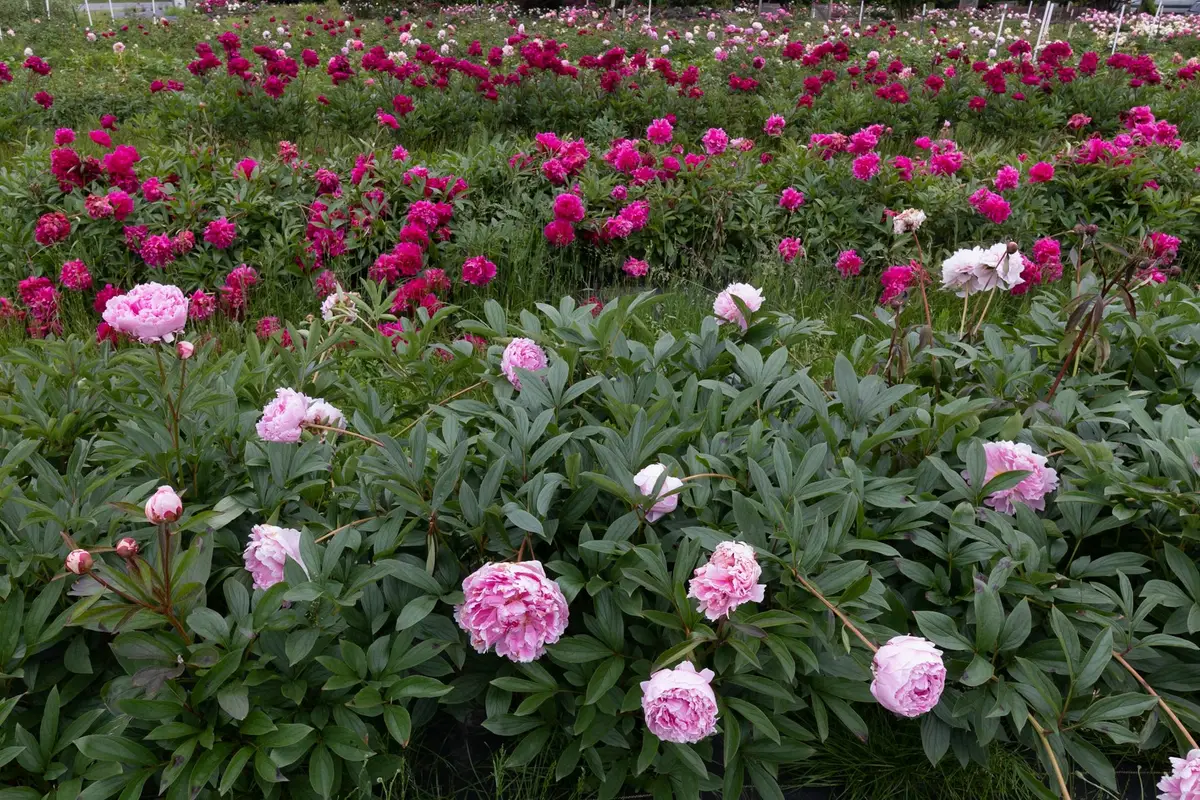
A thousand-year-old flower show in an ancient capital.
Luoyang has grown peonies for over a thousand years, and each spring its gardens put on a spectacular, month-long display of the flower once reserved for emperors. The city, an ancient capital, turns the bloom into a festival of gardens, food, and Tang-dynasty flair.
The story behind it
Luoyang's peony tradition reaches back to the Sui and Tang dynasties, when the flower was cultivated in imperial gardens and prized as the king of flowers.
A popular legend holds that the Empress Wu Zetian ordered all flowers to bloom in winter. When the peony refused, she banished it to Luoyang, where it flourished, a story locals tell with pride.
Today the annual Peony Festival fills Luoyang's parks with hundreds of varieties, and the city leans into its Tang heritage with performances and displays.
What you eat
Luoyang water banquet
A famous multi-course feast of soups, the city's signature dining experience.
Peony cakes
Sweet pastries shaped and flavoured with the festival's flower.
What you see and do
Wangcheng Park
The festival's main venue, with vast beds of peonies in every colour.
Peony gardens
Several parks across the city stage their own displays, some quieter than Wangcheng.
Tang-dynasty performances
Cultural shows themed on the city's imperial past.
Where to go
Signature venues
Wangcheng Park
王城公园 · Luoyang
Luoyang National Peony Garden
中国国花园 · Luoyang
Sui-Tang Botanical Garden
隋唐城遗址植物园 · Luoyang
Luoyang Peony Festival 2 days
- 1 Arrive in Luoyang, visit Wangcheng Park's peony beds
- 2 Try the water banquet, day trip to the Longmen Grottoes, fly out
Watch out for
The first two weeks of April are peak bloom. Book ahead for the busiest days.
Combine Luoyang with Xi'an for a two-city history route, one high-speed rail ride apart.
Several parks show peonies, so spread your visit to avoid the biggest crowds at Wangcheng.
Quick answers
When is the Luoyang Peony Festival in 2027?
It runs from April into early May, with the first two weeks of April as peak bloom.
Why is Luoyang famous for peonies?
The city has cultivated the flower for over a thousand years, since the Sui and Tang dynasties.
Where should I see them?
Wangcheng Park is the main venue, with several quieter gardens across the city.
What else is there in Luoyang?
The Longmen Grottoes, a UNESCO site, and the famous Luoyang water banquet.
Where to experience each festival
Most festivals are best in one specific place. These are the pairings worth booking a trip around.
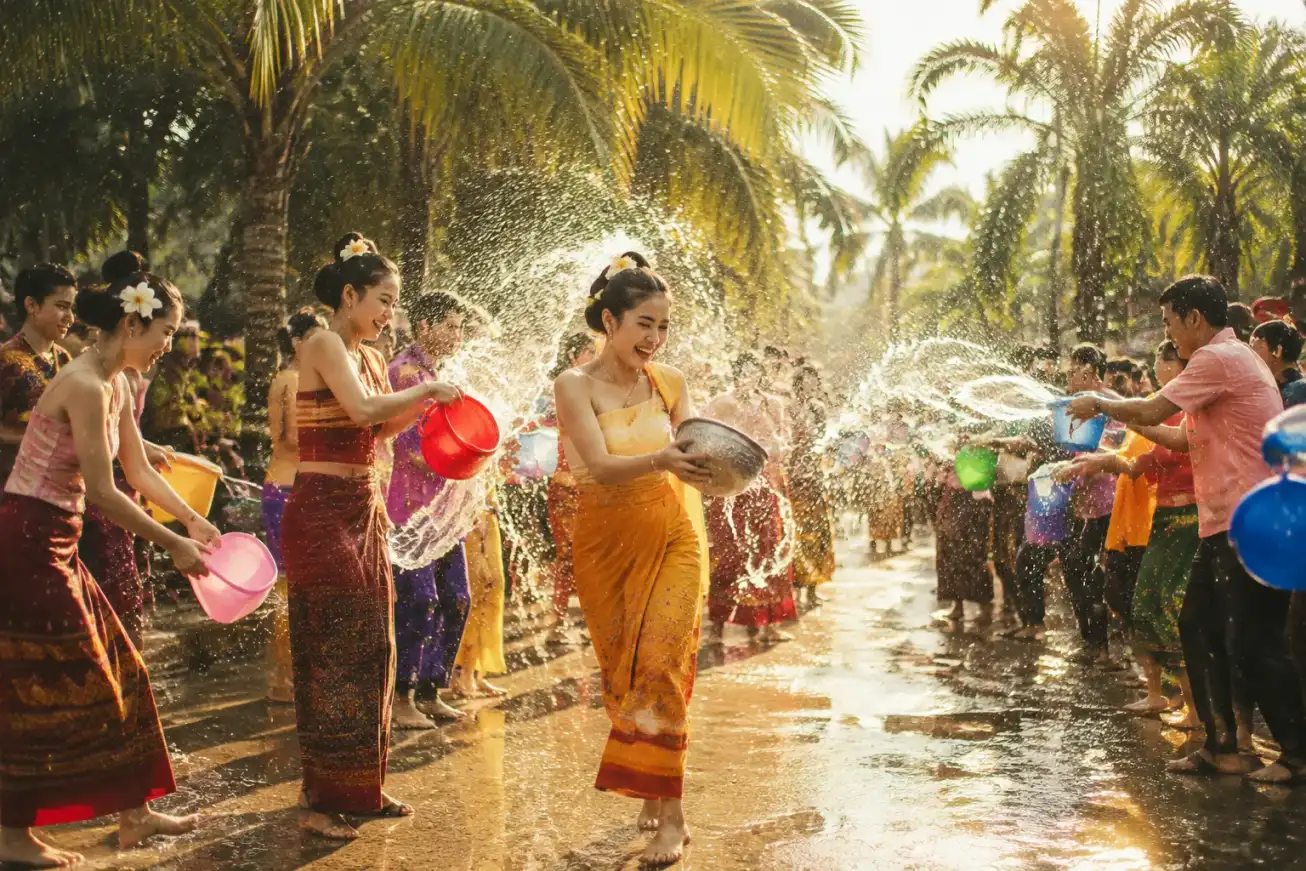
Xishuangbanna
Water Splashing Festival
The heart of the Dai New Year water fight.
Visit the guide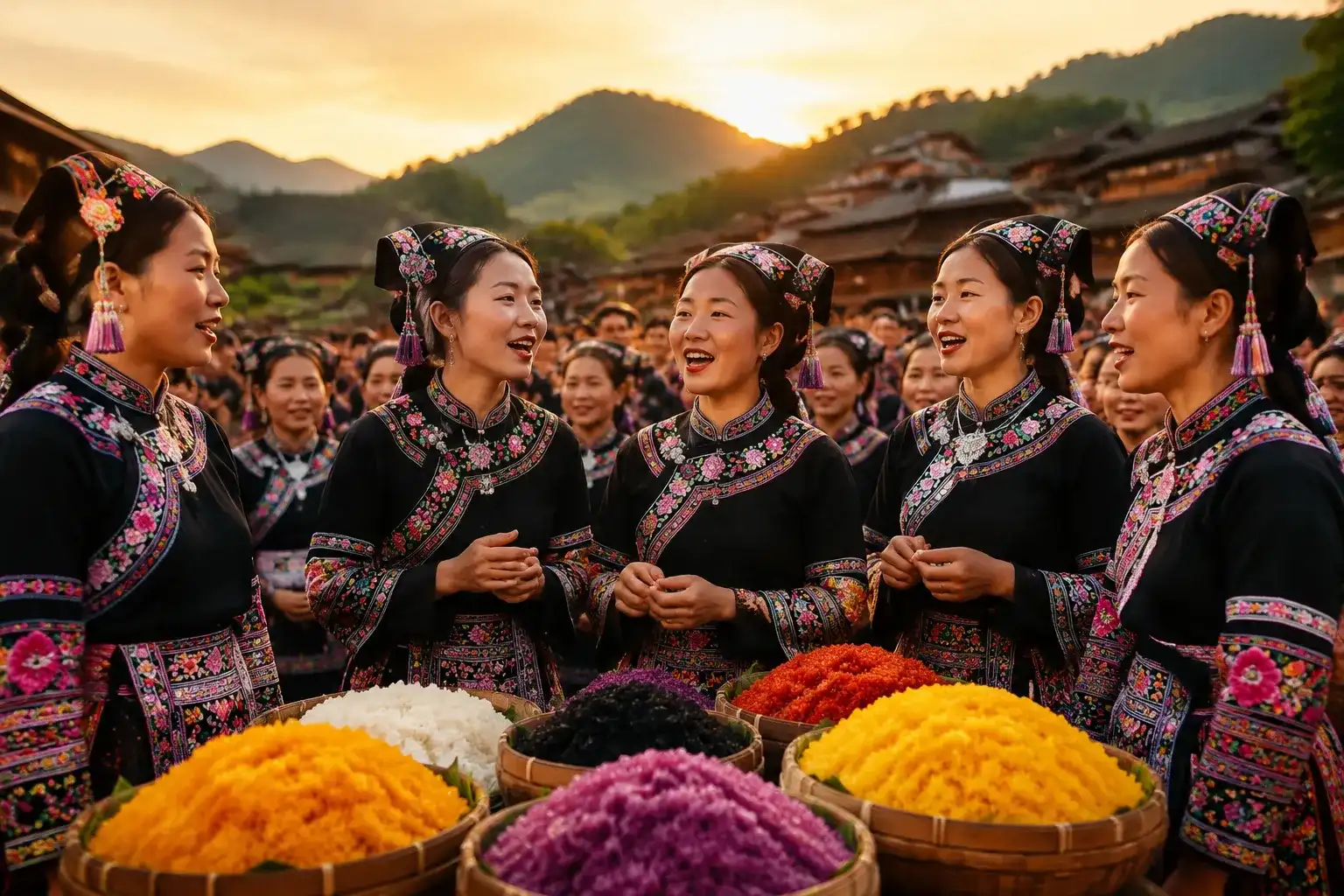
Nanning
San Yue San song festival
The Zhuang song festival, a public holiday across Guangxi.
Visit the guide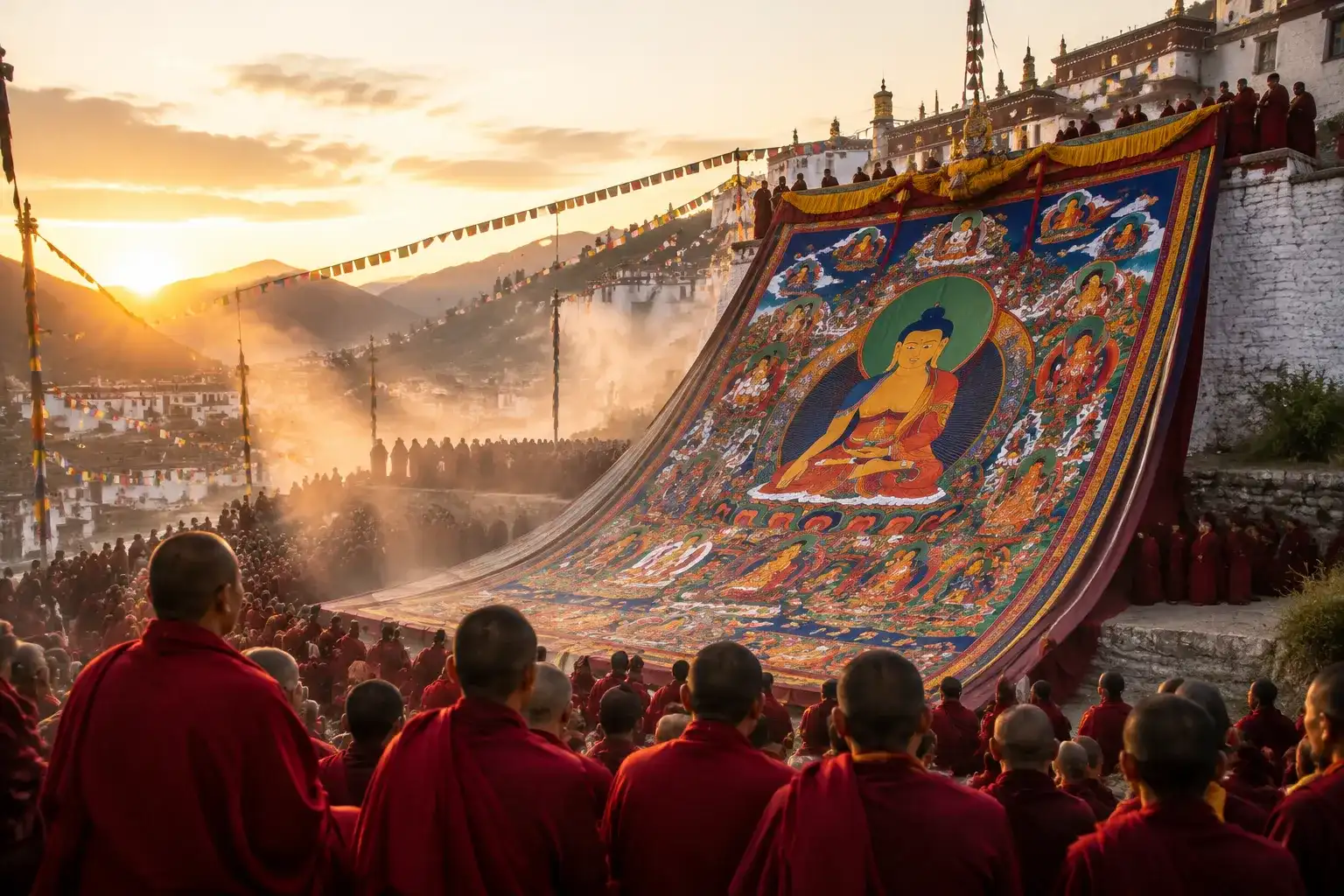
Lhasa
Shoton Festival thangka
A giant thangka unrolled at dawn at Drepung Monastery.
Visit the guide Harbin
Ice & Snow Festival
A city-sized castle of ice and light, January into February.
Visit the guide
Xi'an
City-wall Lantern Festival
Red lanterns on the ancient wall for Spring Festival.
Visit the guide Beijing
Spring Festival temple fairs
Folk shows and street snacks at Ditan and Longtan.
Visit the guide Shanghai
Yuyuan Garden lantern fair
Handcrafted lanterns and riddle games after dark.
Visit the guide Hohhot
Naadam Festival
Wrestling, archery, and horse racing on the steppe.
Visit the guide Luoyang
Peony Festival
A thousand-year-old flower show in an ancient capital.
Visit the guideThree festival itineraries
Ready-made plans for the festivals people ask about most.
Spring Festival
5 daysBeijing, then Xi'an
- 1 Arrive, wander Qianmen for new-year shopping
- 2 Ditan temple fair for folk shows and street snacks
- 3 Forbidden City by day, check holiday hours first
- 4 High-speed rail to Xi'an for the city-wall lanterns
- 5 Fly home from Xi'an
Water Splashing
3 daysXishuangbanna
- 1 Arrive in Jinghong, night market at Gaozhuang
- 2 The main water fight and dragon-boat races
- 3 Manting Park, release a sky lantern, fly out
Mid-Autumn
3 daysGuilin and Yangshuo
- 1 Arrive, buy mooncakes at a night market
- 2 Li River cruise by day, moon over the karst at night
- 3 Yangshuo countryside in the morning, fly out
Combine two festivals in one trip
Some festivals sit close together on the calendar. These pairings let one trip catch two.
Two festivals, one trip
Mid-Autumn + Golden Week
Catch the Mid-Autumn full moon over the Li River karst, then ride high-speed rail north for the National Day flag-raising. The two holidays sit about a week apart, so one trip spans both.
Two ethnic new years in one April
Water Splashing + San Yue San
Get soaked at the Dai Water Splashing Festival, then fly east for the Zhuang song festival in Guangxi. Two of China's liveliest minority celebrations, days apart in the same month.
The winter double-header
Harbin Ice + Spring Festival
Start with the world's biggest ice festival in Harbin, then ride south for Lunar New Year temple fairs in Beijing. One cold, red, glowing trip through China's winter.
If you like this, go to that
A shortcut for people who know what they enjoy but not what it is called in China.
- You like crowds and fireworks Spring Festival February
- You like spectacle and real cold Harbin Ice Festival January
- You like water and sunshine Water Splashing Festival April
- You like fire and mountains Torch Festival August
- You like quiet ritual Shoton Festival August
- You like mooncakes and a full moon Mid-Autumn September
The big three, side by side
If you are choosing between China's three most famous festivals, here is the honest comparison.
Spring Festival
Feb
Crowds
Very crowded
Eat
Dumplings, niangao
Best for
Spectacle and family energy
Mid-Autumn
Sep
Crowds
Moderate
Eat
Mooncakes, pomelo
Best for
Balance of food and calm
Water Splashing
Apr
Crowds
Very crowded
Eat
Dai pineapple rice
Best for
Pure fun in warm weather
Say it in Chinese
A few phrases worth knowing if you are celebrating alongside locals. The tone marks are there to help you say them right.
新年快乐
Xīnnián kuàilè
Happy New Year
Spring Festival
恭喜发财
Gōngxǐ fācái
Wishing you prosperity
Spring Festival
元宵节快乐
Yuánxiāojié kuàilè
Happy Lantern Festival
Lantern Festival
泼水节快乐
Pōshuǐjié kuàilè
Happy Water Splashing Festival
Water Splashing
端午安康
Duānwǔ ānkāng
Wishing you Dragon Boat well-being
Dragon Boat
七夕快乐
Qīxī kuàilè
Happy Qixi Festival
Qixi Festival
那达慕快乐
Nàdámù kuàilè
Happy Naadam Festival
Naadam Festival
火把节快乐
Huǒbǎjié kuàilè
Happy Torch Festival
Torch Festival
中秋快乐
Zhōngqiū kuàilè
Happy Mid-Autumn
Mid-Autumn
重阳安康
Chóngyáng ānkāng
Wishing you Double Ninth well-being
Double Ninth
国庆快乐
Guóqìng kuàilè
Happy National Day
National Day
腊八快乐
Làbā kuàilè
Happy Laba Festival
Laba Festival
洛萨扎西德勒
Luòsà Zhāxīdélè
Happy Losar (Tibetan New Year)
Tibetan New Year
三月三快乐
Sānyuèsān kuàilè
Happy San Yue San
San Yue San
万事如意
Wànshì rúyì
May everything go as you wish
any festival
谢谢
Xièxie
Thank you
anytime
Tap the speaker icon to hear each phrase in Mandarin.
The practical side
What to pack, what to eat, where to stay, and how to get around, plus the four things that catch first-timers out.
What to wear and pack
Winter festivals like Harbin's ice festival drop below -20°C, so bring thermal layers, a down jacket, insulated boots, and a hat and gloves. For the Water Splashing Festival, wear quick-dry clothes and carry a waterproof phone pouch and dry bag. Spring and autumn festivals need layers and a light rain jacket. Red is welcome at any festival but never required.
What to eat
Every festival has a signature dish: dumplings at Spring Festival, tangyuan at Lantern, zongzi at Dragon Boat, mooncakes at Mid-Autumn, and five-color rice at San Yue San. Eat it where locals eat it, at street stalls and small family restaurants rather than tourist spots. Festival foods are often glutinous and filling, so order small portions and try a few kinds.
Where to stay
Book months ahead for Spring Festival and Golden Week, when hotels double or triple in price. For festival cities like Xishuangbanna and Harbin, stay near the event site, you will thank yourself after dark when the crowd thins. Mid-range hotels and guesthouses offer the best value, and many fill up weeks before the festival.
Getting around
High-speed rail connects most festival cities, and it is usually faster and more reliable than flying for short hops. Domestic train tickets open about 15 days before travel and sell out fast over holidays, so book the moment they go on sale. Over New Year's Eve and the first days of Spring Festival, transport is at its hardest, so stay put in one city rather than trying to tour.
The four things that catch people out
Crowds
Spring Festival and Golden Week move hundreds of millions of people at once. If you dislike queues, choose Mid-Autumn or an ethnic festival instead.
Prices
Flights and hotels double or triple over major holidays. Travel on shoulder dates within the holiday window to blunt the cost.
Closures
Over New Year, many family restaurants and small shops close for several days. Plan dinners in advance and expect a quieter city.
Transport
New Year's Eve and the first days of Spring Festival are the hardest to move around. Stay put in one city rather than trying to tour.
What to pack for the big three
The three festivals that catch first-timers out, and exactly what to bring.
Water Splashing Festival
GuideYou will be soaked all day. Waterproof everything and dress to dry fast.
- Waterproof phone pouch
- Quick-dry clothes
- Dry bag for valuables
- Water shoes or secure sandals
- Sunscreen, it is hot and wet
- A spare set of clothes
Harbin Ice Festival
GuideIt drops below -20°C. Layers beat one thick coat, and warm up indoors hourly.
- Thermal base layers
- A down jacket
- Insulated waterproof boots
- Hat, gloves, and a face covering
- Hand warmers
- Lip balm and moisturiser
Spring Festival
GuideCold in the north, and transport sells out. Pack for weather and book early.
- Warm layers for the north
- Red clothing, welcome but never required
- Cash and red envelopes for hongbao
- Trains, flights, and dinners booked ahead
- A power bank for long temple-fair days
What a festival trip costs
Rough daily budgets per person, excluding international flights. Adjust for the city and the season.
Budget
$40-80 a day
Hostels, street food, second-class high-speed rail. Doable everywhere except Harbin and Shanghai in peak season.
Comfort
$80-150 a day
Mid-range hotels, sit-down restaurants, and first-class rail. The sweet spot for most festival trips.
Premium
$200+ a day
Upscale hotels, private drivers, and guides. Worth it over Spring Festival when logistics get hard.
Seasonal markup
Over Spring Festival and Golden Week, flights and hotels often double or triple. Ethnic festival towns like Xishuangbanna and Harbin spike too. Book two to three months out, or travel just outside the peak window.
Visa: the short version
Whether you need a visa depends on your passport. Two policies matter for most festival travellers.
76
countries, visa-free
Citizens of 76 countries can enter China visa-free for 30 days, covering most of Europe, Japan, South Korea, Australia, New Zealand, and parts of the Americas and Middle East.
55
countries, 240-hour transit
A 10-day transit-free policy at 65 entry ports for 55 countries, ideal for a festival stopover on a longer trip through Asia.
The 240-hour transit-free policy took effect in December 2024, when the National Immigration Administration expanded visa-free transit from 72 and 144 hours to 240 hours. Policies change often, so confirm your passport against the latest rules before booking.
Why trust this guide
This guide is written by travel editors who have stood in Beijing's Lunar New Year temple fairs, been soaked at the Water Splashing Festival in Xishuangbanna, and watched the Shoton thangka unroll at dawn in Lhasa. We are not a booking platform and take no payment for placements, every festival recommendation is ours alone.
"Spring festival, social practices of the Chinese people in celebration of traditional new year"
On the ground
First-hand from Spring Festival temple fairs, the Water Splashing Festival, the Shoton thangka unveiling, and Harbin's ice parks.
Sources
Dates follow the State Council's official holiday schedule and each local government's festival announcements, with lunar-to-Gregorian conversion.
Independence
No sponsored placements and no paid links. Where we link to our own city guides, we say so.
Freshness
Last updated August 21, 2026. Next refresh January 2028, when the new holiday calendar is released.
Quick answers
The questions people ask before booking a festival trip to China.
What are the most important festivals in China?
The four big ones are Spring Festival (Chinese New Year), Qingming, Dragon Boat Festival, and Mid-Autumn Festival. Beyond those, the Lantern Festival, Qixi, and the ethnic festivals like the Water Splashing Festival and Torch Festival are worth planning a trip around.
When is Chinese New Year in 2027?
Chinese New Year falls on February 6, 2027. The Spring Festival holiday runs roughly February 5 to 13, with New Year's Eve reunions on February 5.
Which Chinese festival should I visit first?
For a first visit, Mid-Autumn (September) offers the best balance of scenery, food, and manageable crowds. Spring Festival is the most spectacular but also the most crowded and expensive, with many restaurants closed. The Water Splashing Festival in April is the most fun if you are open to getting soaked.
Are Chinese festivals crowded for tourists?
Yes, especially Spring Festival and National Day (Golden Week), when hundreds of millions travel at once. Mid-Autumn, Lantern Festival, and the ethnic festivals are less overwhelming. Booking trains, flights, and hotels weeks ahead is essential during any major holiday.
What food do you eat during Chinese festivals?
Each festival has a signature food: dumplings and niangao for Spring Festival, tangyuan for Lantern Festival, zongzi for Dragon Boat, mooncakes for Mid-Autumn, and qingtuan for Qingming. Ethnic festivals add their own dishes, like five-color sticky rice at San Yue San.
How do Chinese lunar calendar festivals work?
Traditional festivals follow the lunar calendar, so their Gregorian dates shift every year. For example, Mid-Autumn is the 15th day of the 8th lunar month, which lands in September or October. Always check the current year's conversion before booking.
What are China's ethnic minority festivals?
The Water Splashing Festival (Dai, April), Torch Festival (Yi, August), Naadam (Mongolian, July), Shoton Festival (Tibetan, August), and San Yue San (Zhuang, April) are the most famous. Most are concentrated in Yunnan, Guizhou, Sichuan, Inner Mongolia, and Tibet.
Is it safe to travel in China during festivals?
China is generally safe for tourists during festivals. The main risks are practical, not security: sold-out transport, full hotels, restaurant closures over New Year, and very large crowds. Plan and book ahead and you will be fine.
How far in advance should I book festival travel to China?
For Spring Festival and Golden Week, book international flights 2 to 3 months out and domestic trains as soon as tickets open (usually 15 days before). For other festivals, 3 to 4 weeks is usually enough, though festival cities like Xishuangbanna fill up earlier.
What is the Harbin Ice Festival?
The Harbin Ice and Snow Festival, running January into February, is the world's largest ice festival. Artists build illuminated ice and snow sculptures, some the size of buildings, in temperatures around -20°C.
How much does a festival trip to China cost?
Budget around $60 to $120 a day for a mid-range trip, more in cities like Shanghai and Beijing. Flights and hotels double or triple over Spring Festival and Golden Week. Ethnic festivals cost less to reach but festival towns like Xishuangbanna fill up early.
Can I use credit cards or mobile payments during festivals?
International credit cards work at hotels and larger restaurants, but many small vendors and attractions only take mobile payment. Set up the international versions of Alipay or WeChat Pay, which accept foreign cards, and carry some cash as a backup.
Do I need a visa to travel to China for festivals?
China offers visa-free entry to citizens of 76 countries, plus a 240-hour (10-day) transit-free policy for 55 countries at 65 entry ports. Rules change often, so check the latest policy for your passport well before booking.
What is the weather like during China's major festivals?
Spring Festival (January-February) is cold in the north and mild in the south. Qingming (April) is warm and rainy. Dragon Boat (June) is hot and humid. Mid-Autumn (September) is the most pleasant, with clear autumn skies.
Can I travel in China without speaking Chinese during festivals?
Yes, but festivals add friction. Metros and major attractions have English signs, but small shops and taxis may not. Download a translation app and a ride-hailing app, and ask hotel staff to write destinations in Chinese.
Are attractions and transport open during Chinese New Year?
Trains and flights run but sell out fast. Some museums and attractions close or shorten hours from New Year's Eve to day three, and many family restaurants shut for several days. Plan outdoor sights for the first days and book dinners in advance.
Can I use my phone and the internet in China during festivals?
Yes, but many foreign apps and sites are blocked. Buy a local SIM or eSIM, and if you need blocked services, set up a VPN before you arrive. Hotel and airport Wi-Fi usually requires a local number to register.
How do I book train tickets in China as a foreigner?
Use the official 12306 app or website, which has an English version, and pay with an international card. Tickets open about 15 days before travel and sell out fast over holidays, so book the moment they go on sale.
Is it safe to travel solo in China during festivals?
Yes, China is one of the safer countries for solo travellers, including during festivals. The main challenges are practical: crowds, language, and sold-out transport. Keep your phone charged and your hotel address written in Chinese.
What should I do if I can't speak Chinese?
Download a translation app that works offline, and save your hotel's address and key phrases. Ask hotel staff to write destinations in Chinese for taxi drivers, and use ride-hailing apps rather than street taxis.
How early should I arrive at festival events?
For major events like the Harbin Ice Festival or temple fairs, arrive at opening or on a weekday. Dawn events like the Shoton thangka unveiling require arriving before sunrise. Popular spots fill fast after midday.
Spring Festival vs Mid-Autumn: which is better to experience?
For a first visit, Mid-Autumn is the better trip: September weather, mooncakes, and moderate crowds, versus Spring Festival's February cold, sold-out transport, and restaurant closures. Spring Festival is far more spectacular, but you pay for it in crowds and cost. Choose Spring Festival only if you want the spectacle and can handle the crush.
Water Splashing Festival vs Torch Festival: which should I choose?
Both are Yunnan ethnic festivals but suit different travellers. The Water Splashing Festival (April 13-15) is a wet, joyful street party in warm weather; the Torch Festival (late July) is fire, dance, and spectacle after dark. Choose Water Splashing for pure fun and heat, Torch for photography and atmosphere.
Lantern Festival vs Mid-Autumn: what is the difference?
Both feature lanterns and a full moon, but they are opposite bookends of the year. The Lantern Festival (February 20, 2027) closes Chinese New Year with the year's biggest lantern displays and riddle games; Mid-Autumn (September 15, 2027) is the Moon Festival, centred on mooncakes and family reunion. Lantern Festival is better for light shows, Mid-Autumn for food and calm.
Privacy & contact
This site is a static travel guide. Here is how we handle your data.
No personal data collected
We run no analytics, no tracking cookies, and no sign-up forms, and we never ask for your name or email. There is nothing to log in to and nothing to store.
Third-party links
Where we link to our sister city guides, each site has its own privacy policy. Once you leave this page, that site's policy applies.
Terms of use
This guide is provided for general travel information only. Festival dates, holiday schedules, and visa rules change without notice, so always confirm with official sources before booking. We accept no liability for losses arising from use of this site. Content may not be reproduced without attribution.
Contact
Questions or corrections? Email hello@festivals-china.com .